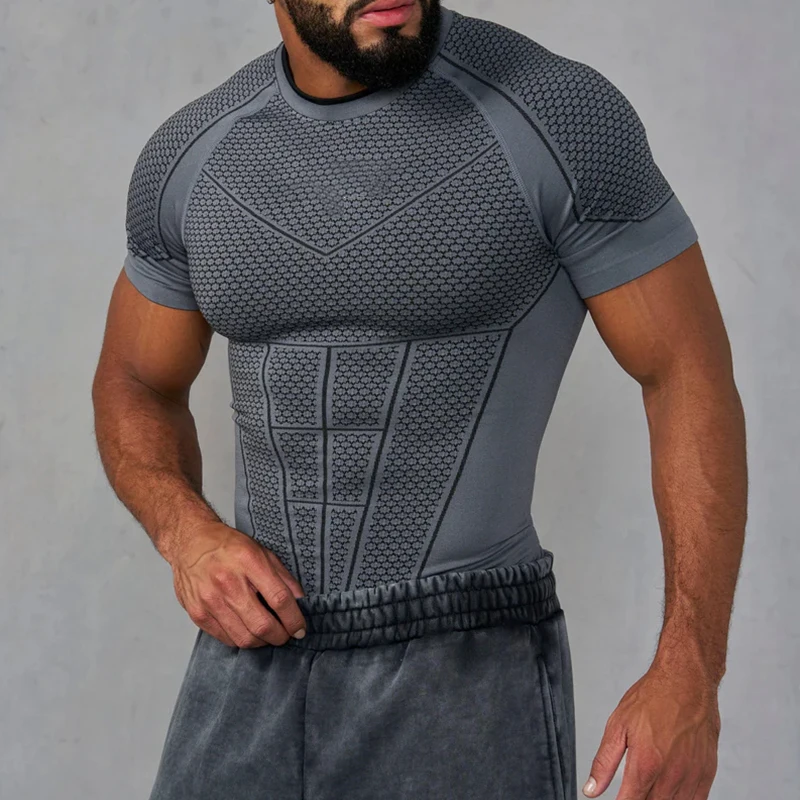
Comprehensive Supply Chain Management and Material Sourcing
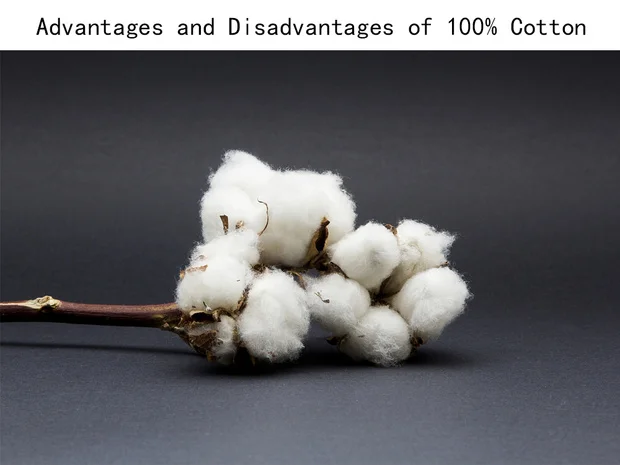
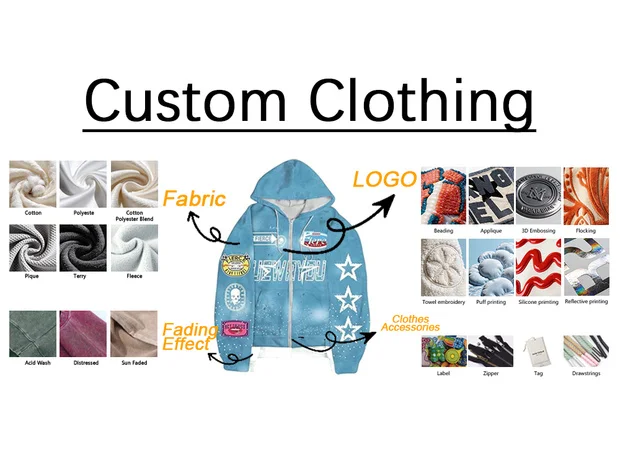
The extensive supply chain networks and material sourcing capabilities developed by established mens shirts manufacturers provide clients with access to superior fabrics and components while simplifying the complex logistics of garment production. These manufacturers maintain long-term relationships with textile mills, fabric wholesalers, and component suppliers worldwide, positioning them to secure high-quality materials at competitive prices while ensuring reliable availability. Their purchasing power enables them to negotiate favorable terms that individual businesses cannot achieve independently, translating into cost savings passed along to clients. Mens shirts manufacturers typically offer extensive fabric libraries featuring hundreds of options including pure cotton in various weights and weaves, cotton-polyester blends offering wrinkle resistance and easy care, performance fabrics with moisture-wicking or stretch properties, and premium materials like Egyptian cotton or Italian shirting fabrics. This diverse selection allows brands to differentiate their products and target specific market segments without needing to develop their own textile sourcing capabilities. The technical expertise manufacturers bring to fabric selection proves invaluable, as their experience guides clients toward materials appropriate for intended use cases, price points, and performance requirements. They understand how different fabrics behave during cutting, sewing, and finishing processes, helping avoid materials that might create production challenges or disappoint end customers. Many manufacturers also provide fabric testing services, evaluating characteristics like colorfastness, shrinkage, tensile strength, and pilling resistance before production begins, ensuring materials meet specifications and quality expectations. Component sourcing represents another critical service, with mens shirts manufacturers maintaining supplier relationships for buttons, threads, interlinings, labels, and packaging materials. They coordinate the procurement and delivery timing of these components to ensure everything arrives when needed for production, eliminating delays caused by missing materials. Their quality standards extend to components, selecting buttons that withstand repeated laundering, threads that match fabric strength, and interlinings that provide appropriate collar and cuff stability. The logistics coordination provided by mens shirts manufacturers encompasses transportation, customs clearance, and delivery scheduling, managing the complex movement of materials into production facilities and finished goods to client destinations. They handle documentation requirements for international shipments, arrange appropriate packaging to protect garments during transit, and track shipments to ensure on-time delivery. This comprehensive logistics management removes significant operational burdens from clients, allowing them to focus on business development rather than supply chain complexities. Inventory management services offered by some manufacturers include holding finished goods in their warehouses and shipping orders as needed, effectively providing fulfillment services that eliminate the need for clients to maintain their own warehouse facilities. This arrangement proves particularly valuable for smaller brands and startups lacking the capital or volume to justify dedicated warehouse space.
 ×
×




 EN
EN