High Quality Garment Manufacturer - Premium Clothing Production Services & Solutions

Get a Free Quote

Our representative will contact you soon.
Email
Name
Company Name
Message
0/1000

high quality garment manufacturer

A high quality garment manufacturer represents a specialized production facility that combines advanced technology, skilled craftsmanship, and rigorous quality control systems to create exceptional clothing products for brands, retailers, and fashion houses worldwide. These manufacturers serve as crucial partners in the fashion supply chain, transforming creative designs into tangible products that meet exacting standards for fit, durability, and aesthetic appeal. The main functions of a high quality garment manufacturer encompass pattern making, fabric sourcing, sample development, bulk production, quality assurance, and logistics coordination. Through sophisticated production planning systems, these facilities manage complex orders involving multiple styles, sizes, and specifications while maintaining consistency across thousands of units. Technological features that distinguish premium manufacturers include computer-aided design software for precise pattern grading, automated cutting machines that minimize fabric waste, programmable sewing equipment that ensures uniform stitching, and digital inspection systems that detect defects invisible to the human eye. Many advanced facilities now incorporate sustainable practices such as water recycling systems, energy-efficient machinery, and eco-friendly dyeing processes that reduce environmental impact without compromising product excellence. Applications of high quality garment manufacturer services span diverse sectors including luxury fashion, sportswear, corporate uniforms, medical apparel, and specialized protective clothing. These manufacturers work closely with clients from initial concept through final delivery, offering valuable input on fabric selection, construction methods, and cost optimization strategies. Their expertise proves invaluable for emerging brands lacking in-house production capabilities and established companies seeking to scale operations efficiently. By partnering with a high quality garment manufacturer, businesses gain access to specialized equipment, trained personnel, and established supply networks that would require substantial capital investment to develop independently, making these partnerships essential for competitive success in today's demanding marketplace.
Popular Products

Partnering with a high quality garment manufacturer delivers numerous practical benefits that directly impact your business bottom line and brand reputation. First and foremost, you gain access to production expertise accumulated over years or decades of specialized manufacturing experience. These professionals understand fabric behavior, construction techniques, and finishing processes at a level that ensures your products meet or exceed customer expectations consistently. This expertise translates into fewer defects, reduced returns, and enhanced customer satisfaction that builds brand loyalty over time. Cost efficiency represents another significant advantage, as established manufacturers leverage economies of scale to negotiate better pricing on raw materials, maintain optimized production workflows that reduce labor hours per unit, and minimize waste through precise cutting and efficient processes. While premium quality comes at a fair price, the total cost of ownership often proves lower than attempting production with less experienced partners who create expensive problems through errors and inconsistencies. Time savings constitute a critical benefit in the fast-paced fashion industry where missing a seasonal window can mean lost revenue opportunities. A high quality garment manufacturer maintains ready infrastructure, trained staff, and proven systems that accelerate the journey from approved sample to shipped product, compressing timelines that might take months to mere weeks. This speed to market proves especially valuable when responding to trending styles or restocking popular items quickly. Quality consistency across production runs ensures that customers receive the same excellent product whether they purchase the first unit or the ten-thousandth, protecting your brand reputation and reducing costly quality complaints. Professional manufacturers implement systematic quality checkpoints throughout production, catching and correcting issues before they multiply into batch problems. Flexibility and scalability allow you to start with small test runs and expand to large volumes as demand grows, without the fixed costs of maintaining your own production facility. This adaptability proves invaluable for seasonal businesses and growing brands that experience fluctuating order volumes. Additionally, many high quality garment manufacturers offer value-added services such as design consultation, fabric sourcing assistance, packaging solutions, and direct-to-customer shipping that simplify your operations and allow you to focus on core competencies like marketing and customer relationships. Risk mitigation comes through working with established manufacturers who maintain proper certifications, comply with labor regulations, and carry appropriate insurance coverage, protecting you from legal and reputational risks associated with unethical production practices. Finally, innovation access keeps your products competitive as leading manufacturers invest in new technologies, sustainable practices, and improved techniques that they share with valued clients, giving you a technological edge without research and development expenses.

Latest News

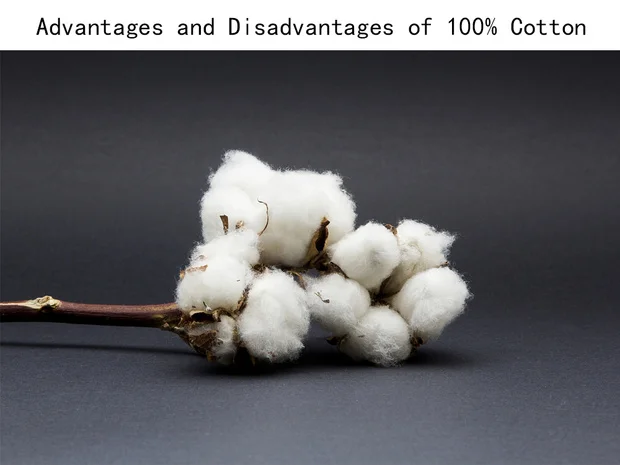
Beyond the Label: The Ultimate Guide to Sourcing True 100% Cotton in a Deceptive Market

14

May

Beyond the Label: The Ultimate Guide to Sourcing True 100% Cotton in a Deceptive Market

View More
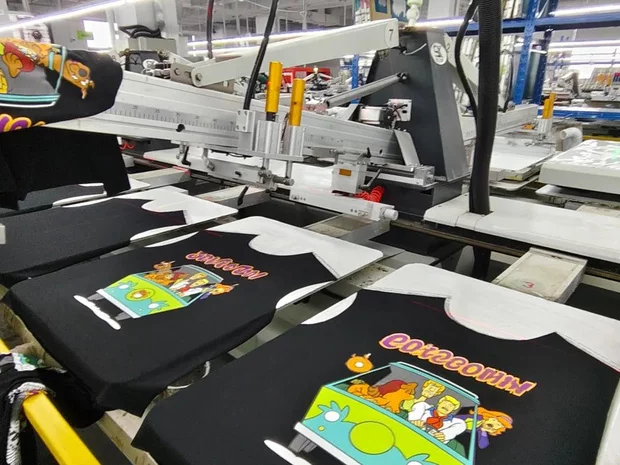
Transparency in the Digital Age: Why We Are Opening Our Doors with Actual Printing Factory Photos

14

May

Transparency in the Digital Age: Why We Are Opening Our Doors with Actual Printing Factory Photos

View More
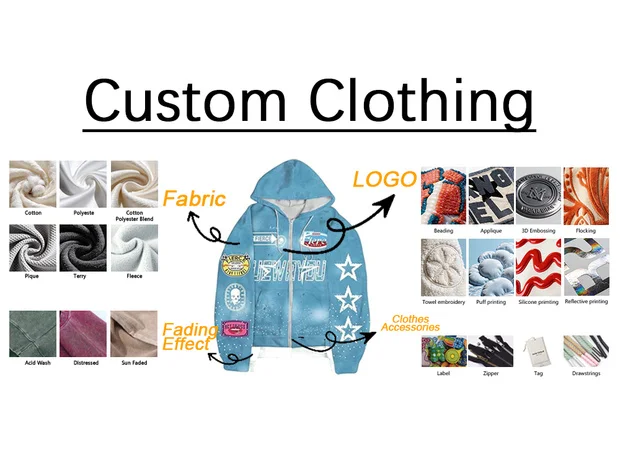
Why Factory-Direct Customization is the Secret Weapon of Global Fashion Giants

14

May

Why Factory-Direct Customization is the Secret Weapon of Global Fashion Giants

View More

Get a Free Quote

Our representative will contact you soon.
Email
Name
Company Name
Message
0/1000

high quality garment manufacturer

Advanced Quality Control Systems That Guarantee Excellence

Advanced Quality Control Systems That Guarantee Excellence

The implementation of comprehensive quality control systems distinguishes a high quality garment manufacturer from basic production facilities and serves as the foundation for delivering consistently superior products that meet the most demanding specifications. These sophisticated systems begin at the raw material stage, where incoming fabrics, threads, trims, and accessories undergo rigorous inspection to verify they meet predetermined standards for color accuracy, weight, strength, and composition. Trained quality technicians utilize specialized equipment including fabric inspection machines with backlighting to detect weaving flaws, color measurement spectrophotometers that ensure dye lot consistency, and tensile strength testers that confirm materials will withstand normal wear and laundering. This initial gatekeeping prevents substandard materials from entering production, eliminating the risk of discovering problems only after garments are completed. During the cutting phase, quality controllers verify that pattern pieces are accurately positioned on fabric to respect grain lines and pattern matching requirements, ensuring that finished garments hang properly and patterns align at seams as intended. As garments move through sewing operations, inline quality checkpoints catch construction errors immediately, allowing for instant correction before defects propagate through entire production runs. These checkpoints examine critical measurements, stitch quality, seam strength, and component placement according to detailed specification sheets that document every requirement. A high quality garment manufacturer employs specialized quality personnel who understand garment construction deeply and can identify subtle issues that untrained eyes might miss, such as improper tension causing puckering, inconsistent seam allowances affecting fit, or misaligned buttonholes compromising functionality. After assembly, each garment typically undergoes a comprehensive final inspection where trained auditors examine dozens of quality points including overall appearance, symmetry, finishing details, correct labeling, and proper packaging. Many premium manufacturers utilize Acceptable Quality Level systems that mathematically determine appropriate sample sizes for inspection based on lot quantities, ensuring statistical validity while maintaining production efficiency. Advanced facilities increasingly incorporate automated inspection technologies such as computer vision systems that photograph garments and use artificial intelligence algorithms to detect defects, color variations, and measurement deviations with superhuman consistency and speed. These quality control investments translate directly into customer benefits through dramatically reduced defect rates, consistent sizing across production batches, and reliable product performance that builds brand trust and minimizes costly returns and reputation damage in competitive markets.
Sustainable Manufacturing Practices That Protect Our Planet

Sustainable Manufacturing Practices That Protect Our Planet

Environmental responsibility has evolved from a nice-to-have feature into an essential requirement for any high quality garment manufacturer serving contemporary brands and conscious consumers who increasingly demand transparency about production impacts. Progressive manufacturers have responded by implementing comprehensive sustainability programs that address water consumption, energy usage, chemical management, and waste reduction throughout their operations. Water stewardship initiatives prove particularly critical in textile production, which historically consumed vast quantities of this precious resource for dyeing, washing, and finishing processes. Leading manufacturers now install closed-loop water recycling systems that treat and reuse process water multiple times, reducing fresh water consumption by up to eighty percent compared to conventional operations. Advanced filtration and treatment technologies remove dyes, chemicals, and particulates to standards that often exceed regulatory requirements, protecting local waterways from pollution. Energy efficiency improvements include transitioning to LED lighting throughout facilities, installing variable-speed motors on equipment that adjust power consumption to actual demand, utilizing heat recovery systems that capture waste heat from processes to warm facilities or water, and increasingly sourcing electricity from renewable sources such as rooftop solar installations or wind power purchase agreements. These investments reduce carbon footprints substantially while also lowering operational costs that benefit both manufacturer and client. Chemical management programs focus on eliminating hazardous substances through adoption of certified dye systems and finishing treatments that meet stringent safety standards such as OEKO-TEX or bluesign certifications, which verify that products contain no harmful chemicals that could affect workers, consumers, or ecosystems. A high quality garment manufacturer maintains detailed chemical inventories, provides comprehensive safety training to workers handling these materials, and implements proper storage and disposal procedures that prevent environmental contamination. Waste reduction strategies target both fabric scraps and packaging materials through careful cutting optimization software that arranges pattern pieces to maximize fabric utilization, creative reuse programs that transform cutting room scraps into stuffing, insulation, or recycled fiber products, and partnerships with recycling facilities that process unavoidable waste streams appropriately. Packaging innovations include transitioning from plastic poly bags to biodegradable or recycled paper alternatives, eliminating unnecessary packaging layers, and optimizing carton sizes to reduce shipping volumes and associated transportation emissions. Many forward-thinking manufacturers pursue third-party certifications such as ISO 14001 environmental management systems, Fair Trade verification, or B Corporation status that demonstrate verified commitment to sustainability through independent auditing. These environmental investments create tangible value for brand partners by enabling credible sustainability marketing claims, meeting retailer requirements for responsible sourcing, appealing to environmentally conscious consumers, and future-proofing supply chains against tightening regulations and resource constraints that will increasingly affect businesses ignoring these critical considerations.
Collaborative Design Support That Brings Visions To Reality

Collaborative Design Support That Brings Visions To Reality

The collaborative relationship between clients and a high quality garment manufacturer extends far beyond simple order fulfillment into a strategic partnership that enhances product development through technical expertise, creative problem-solving, and industry knowledge accumulated across countless projects and product categories. This design support begins during the earliest concept phases when clients present initial sketches, reference samples, or simply describe the vision for products they want to create. Experienced manufacturers bring valuable perspective regarding feasibility, suggesting construction methods that will achieve desired aesthetics while remaining producible at target price points and quality levels. Their technical designers can translate rough concepts into detailed technical specification packages complete with construction diagrams, measurement charts, and material callouts that ensure clear communication throughout the development process. This expertise proves particularly valuable for emerging brands or companies entering new product categories where internal knowledge may be limited. Pattern making capabilities represent a core technical service where skilled pattern makers transform two-dimensional designs into three-dimensional garment patterns that account for fabric properties, body movement, and desired fit characteristics. A high quality garment manufacturer employs pattern makers who understand how different fabrics behave, how to build in appropriate ease for comfort without creating bagginess, and how to grade patterns across size ranges while maintaining proportional integrity so garments fit well whether size small or extra-large. Sample development allows clients to evaluate products before committing to bulk production, with manufacturers typically producing initial prototypes for fit and construction assessment, then refined samples incorporating requested modifications, and finally pre-production samples that represent exactly what bulk production will deliver. This iterative refinement process catches and resolves issues early when corrections cost minimal time and money rather than discovering problems after producing thousands of units. Material sourcing assistance leverages manufacturer relationships with fabric mills, trim suppliers, and accessory vendors to identify materials that meet project requirements for performance, appearance, and budget. Manufacturers often maintain extensive swatch libraries and can arrange mill visits or request custom developments when standard offerings do not quite meet needs. Their purchasing power and established relationships often unlock better pricing and terms than individual brands could negotiate independently, particularly for smaller order quantities. Throughout the collaboration, manufacturers provide honest feedback about potential challenges, realistic timelines, and cost implications of various choices, empowering clients to make informed decisions that balance creative vision with commercial realities. This consultative approach transforms manufacturers from mere order-takers into valued partners who contribute meaningfully to product success through technical knowledge, practical experience, and genuine investment in client outcomes that build long-term relationships beneficial to both parties.

Get a Free Quote

Our representative will contact you soon.
Email
Name
Company Name
Message
0/1000