Athletic Wear Suppliers - Premium Performance Apparel Manufacturing and Customization Solutions

Get a Free Quote

Our representative will contact you soon.
Email
Name
Company Name
Message
0/1000

athletic wear suppliers

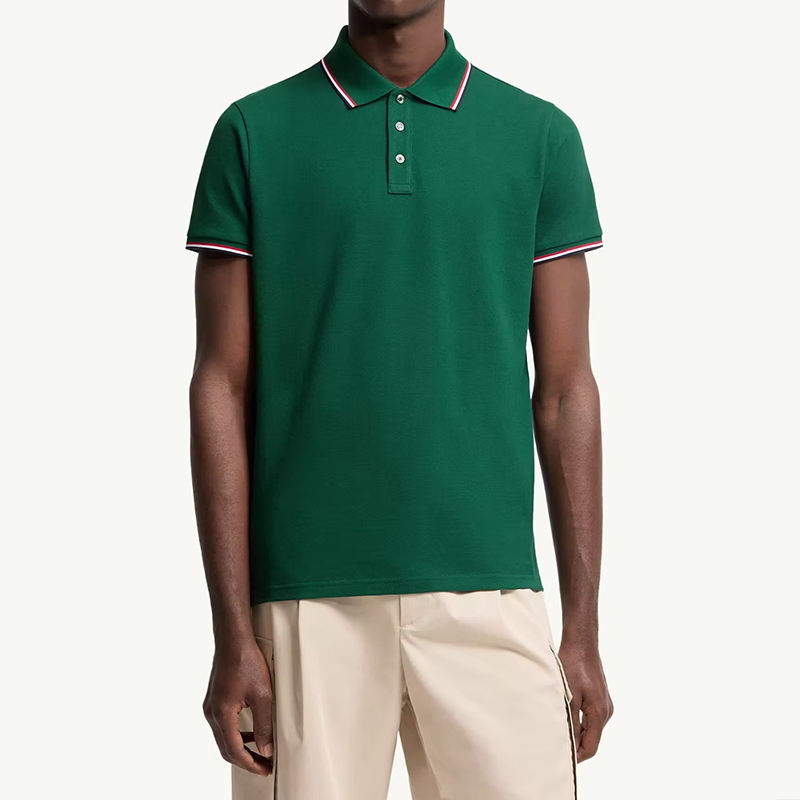
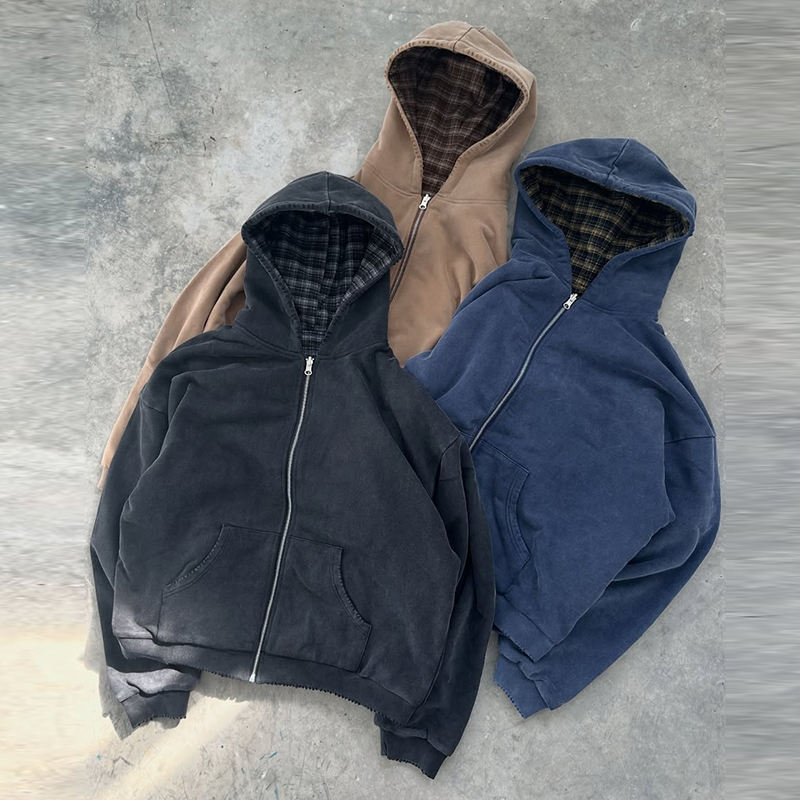
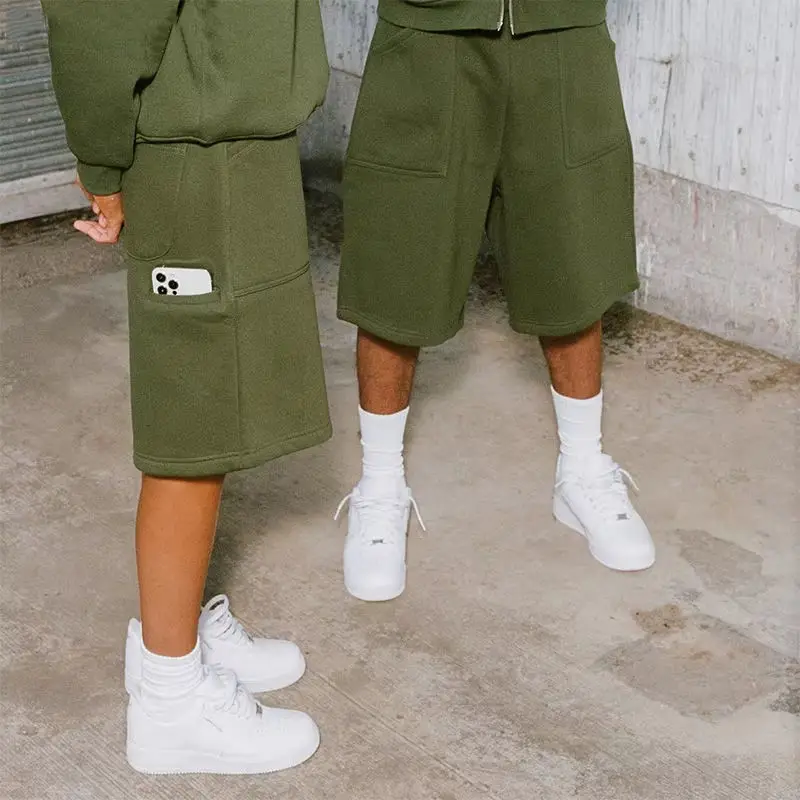
Athletic wear suppliers represent specialized manufacturers and distributors who provide comprehensive solutions for sports apparel needs across multiple markets and consumer segments. These suppliers function as critical partners for retailers, fitness centers, sports teams, corporate wellness programs, and individual entrepreneurs seeking quality athletic clothing products. The main functions of athletic wear suppliers encompass product development, bulk manufacturing, inventory management, customization services, quality assurance, and logistics coordination. They bridge the gap between raw material sourcing and finished product delivery, ensuring that athletic apparel meets performance standards while remaining cost-effective. Technological features integrated by modern athletic wear suppliers include moisture-wicking fabric technologies, four-way stretch materials, antimicrobial treatments, UV protection coatings, seamless construction techniques, and advanced dyeing processes that ensure color fastness. Many suppliers now incorporate sustainable manufacturing practices, utilizing recycled polyester, organic cotton, and eco-friendly production methods. Digital capabilities have transformed how athletic wear suppliers operate, with many offering online catalogs, virtual sampling, 3D design visualization, and automated ordering systems. Applications for products from athletic wear suppliers span numerous categories including running apparel, yoga wear, gym training clothes, outdoor sports gear, team uniforms, compression garments, and athleisure collections. These suppliers serve diverse client bases from startup activewear brands to established retail chains, from school athletic departments to professional sports organizations. The relationship between buyers and athletic wear suppliers often extends beyond simple transactions, involving collaborative design processes, trend forecasting, market analysis, and ongoing product optimization. Modern athletic wear suppliers maintain flexibility in order quantities, offering both large-scale production runs and smaller batch orders to accommodate different business models and market testing requirements for emerging brands.

Popular Products

Working with professional athletic wear suppliers delivers numerous practical benefits that directly impact business success and customer satisfaction. First, buyers gain access to established manufacturing infrastructure without needing massive capital investment in production facilities, equipment, or technical expertise. This arrangement allows entrepreneurs and growing brands to focus resources on marketing, brand building, and customer relationships rather than production complexities. Athletic wear suppliers provide economies of scale that individual businesses cannot achieve independently, resulting in lower per-unit costs and improved profit margins. The purchasing power these suppliers leverage when acquiring raw materials translates into competitive pricing for clients. Quality consistency represents another significant advantage, as reputable athletic wear suppliers implement rigorous quality control processes, fabric testing, and construction standards that ensure every garment meets specified requirements. This consistency builds consumer trust and reduces return rates that can damage brand reputation. Time efficiency constitutes a major benefit, with experienced suppliers managing production timelines, coordinating multiple manufacturing stages, and delivering finished products according to agreed schedules. This reliability enables businesses to plan marketing campaigns, manage inventory levels, and meet seasonal demands effectively. Customization capabilities offered by athletic wear suppliers empower brands to differentiate themselves in crowded markets through unique designs, proprietary fabric blends, specialized features, and distinctive branding elements. Suppliers typically maintain design teams who assist clients in translating concepts into manufacturable products while advising on technical feasibility and market trends. Risk mitigation is another practical advantage, as suppliers absorb certain operational risks related to equipment maintenance, workforce management, and production troubleshooting. Their established relationships with multiple fabric mills and component suppliers provide backup options if supply chain disruptions occur. Market intelligence represents an often-overlooked benefit, with experienced athletic wear suppliers sharing insights about emerging trends, consumer preferences, competitor activities, and innovation opportunities based on their broad market exposure. Scalability advantages allow businesses to grow without operational constraints, as suppliers can typically adjust production volumes to match changing demand patterns, seasonal fluctuations, or expansion into new markets. Finally, regulatory compliance expertise helps buyers navigate complex requirements regarding fabric safety standards, labeling regulations, import-export documentation, and environmental certifications, reducing legal risks and ensuring market access across different regions.

Latest News

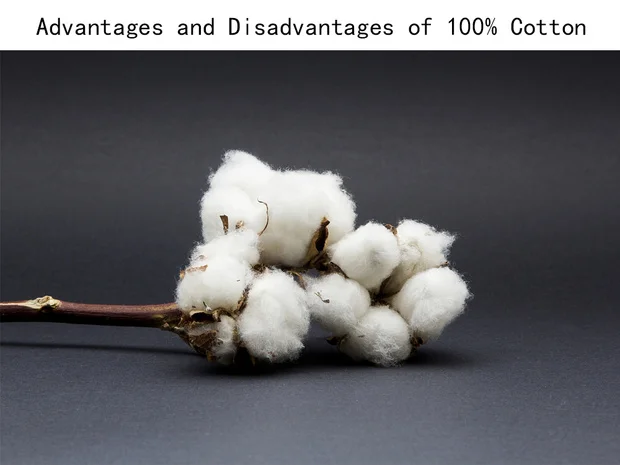
Beyond the Label: The Ultimate Guide to Sourcing True 100% Cotton in a Deceptive Market

14

May

Beyond the Label: The Ultimate Guide to Sourcing True 100% Cotton in a Deceptive Market

View More
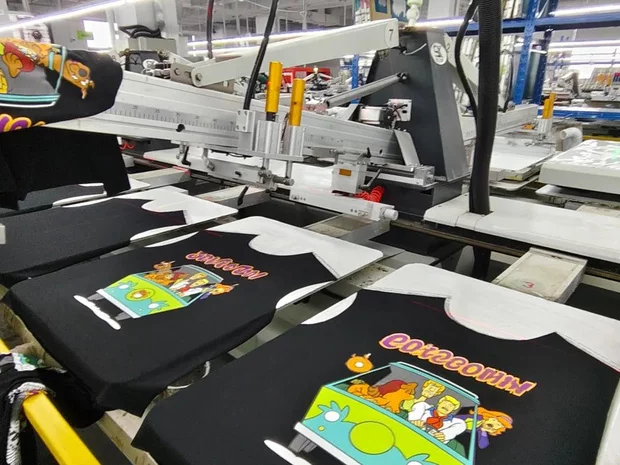
Transparency in the Digital Age: Why We Are Opening Our Doors with Actual Printing Factory Photos

14

May

Transparency in the Digital Age: Why We Are Opening Our Doors with Actual Printing Factory Photos

View More
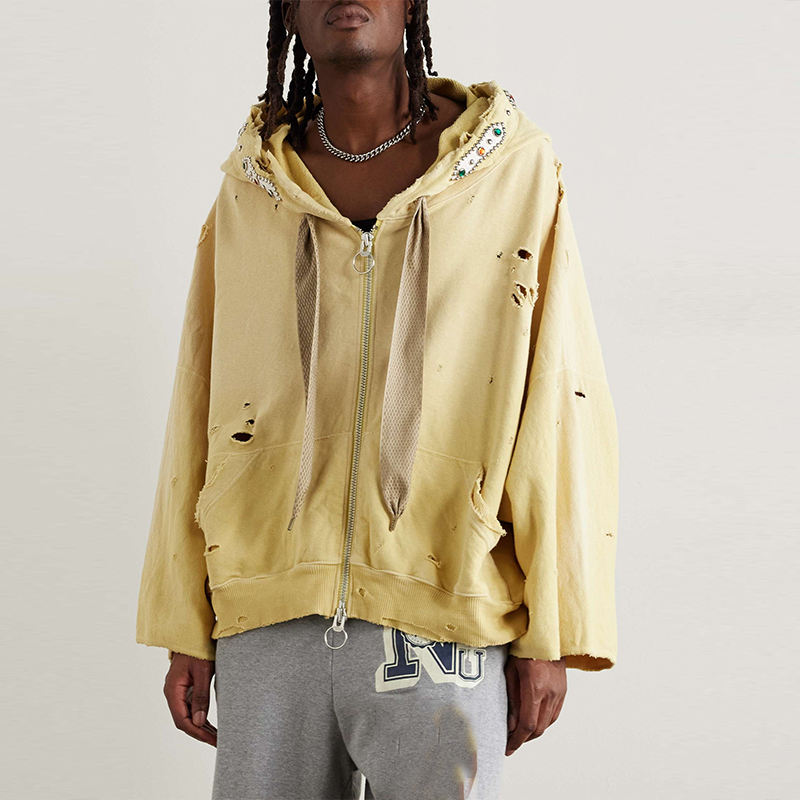
Why Factory-Direct Customization is the Secret Weapon of Global Fashion Giants

14

May

Why Factory-Direct Customization is the Secret Weapon of Global Fashion Giants

View More

Get a Free Quote

Our representative will contact you soon.
Email
Name
Company Name
Message
0/1000

athletic wear suppliers

Advanced Performance Fabric Technology

Advanced Performance Fabric Technology

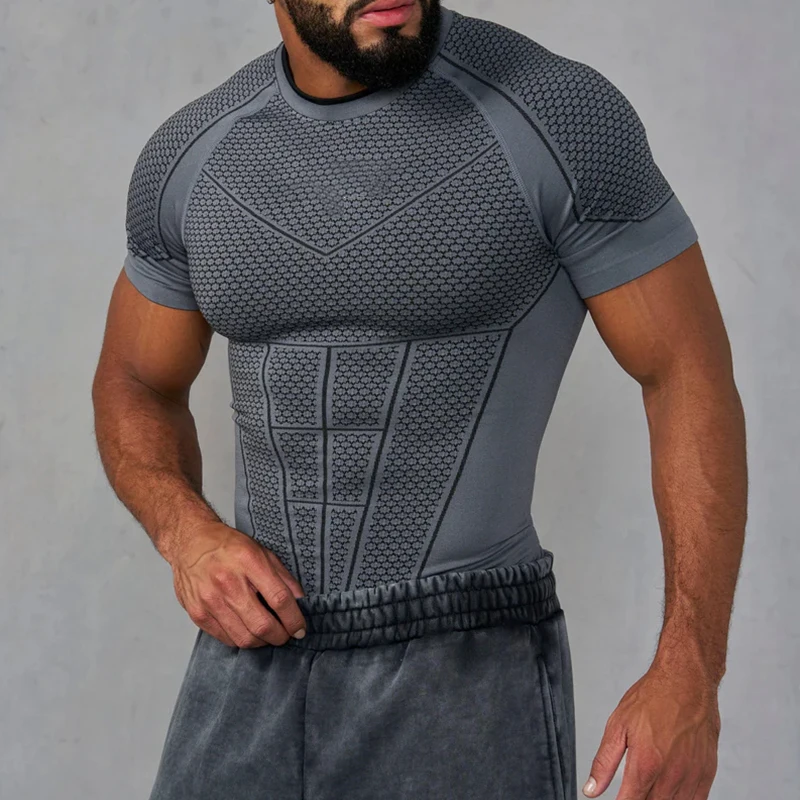
Athletic wear suppliers distinguish themselves through sophisticated fabric technology that transforms basic clothing into performance-enhancing gear designed for specific athletic activities and environmental conditions. These suppliers invest heavily in research and development partnerships with textile innovators, chemical engineers, and sports science experts to create materials that address real challenges athletes face during physical activity. Moisture management represents a cornerstone technology, where fabrics incorporate hydrophobic fibers that repel water from skin contact while hydrophilic exterior surfaces facilitate rapid evaporation, keeping wearers dry and comfortable during intense workouts. Temperature regulation technologies go beyond simple breathability, incorporating phase-change materials that absorb excess body heat during exertion and release it during cool-down periods, maintaining optimal body temperature throughout varied activity levels. Compression fabrics developed by leading athletic wear suppliers utilize graduated pressure zones that support muscle groups, enhance blood circulation, and reduce vibration during impact activities, potentially improving performance and accelerating recovery. Antimicrobial treatments prevent odor-causing bacteria growth, extending the wearable lifespan between washes and maintaining freshness even during prolonged use. UV protection technologies integrate sun-blocking compounds directly into fiber structures, providing consistent protection that does not wash out over time, making outdoor athletic wear safer for extended sun exposure. Four-way stretch capabilities ensure garments move naturally with body movements, eliminating restrictions during complex athletic motions while maintaining shape recovery that prevents bagging or sagging. Seamless construction techniques eliminate chafing points that cause discomfort during repetitive movements, particularly important for long-distance runners, cyclists, and endurance athletes. Reflective technologies enhance visibility during low-light conditions, incorporating microsphere or microprismatic elements that reflect light back toward its source, improving safety for outdoor exercise. Athletic wear suppliers continuously refine these technologies based on athlete feedback, laboratory testing, and real-world performance data, ensuring their fabric offerings remain at the forefront of performance apparel innovation and provide measurable benefits to end users across all skill levels.
Flexible Customization and Branding Solutions

Flexible Customization and Branding Solutions

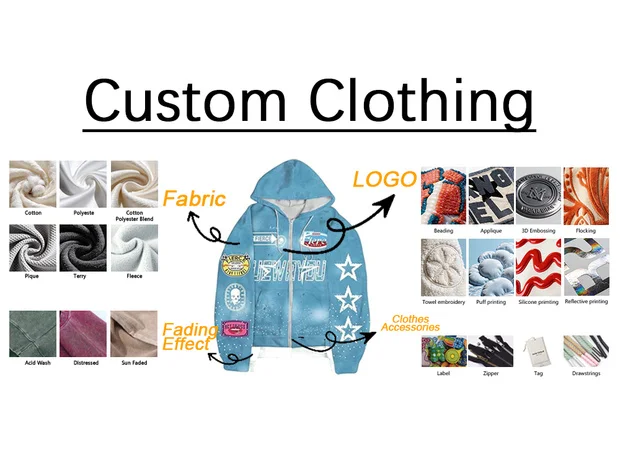
Modern athletic wear suppliers excel at providing comprehensive customization solutions that enable brands to establish distinctive market identities and meet specific customer requirements without maintaining in-house production capabilities. Customization begins with design consultation services where supplier teams work collaboratively with clients to refine concepts, suggest technical improvements, and ensure designs translate effectively from sketches to finished garments. Pattern development expertise ensures proper fit across diverse body types and sizes, with suppliers often maintaining extensive size range capabilities that accommodate petite through plus-size specifications. Fabric selection guidance helps clients choose materials appropriate for intended uses, balancing performance requirements, aesthetic preferences, budget constraints, and sustainability goals. Color customization extends beyond selecting from standard palettes, with many athletic wear suppliers offering custom dyeing services that match specific brand colors, seasonal trends, or unique visual concepts, ensuring perfect color consistency across entire product lines. Printing and decoration options include screen printing, heat transfer, sublimation, embroidery, and applique techniques, each suitable for different design elements, fabric types, and durability requirements. Logo placement consulting ensures branding elements enhance rather than compromise garment functionality, considering movement patterns, wear points, and visual impact. Labeling customization encompasses woven labels, printed neck labels, hangtags, and care instruction tags that reinforce brand identity at every customer touchpoint. Packaging solutions transform how products reach consumers, with options ranging from basic polybags to premium presentation boxes, branded tissue paper, and sustainable packaging alternatives that align with environmental values. Private labeling services allow retailers and fitness organizations to offer athletic wear under their own brands without revealing supplier relationships, building brand equity and customer loyalty. Small batch capabilities accommodate emerging brands testing market response, limited edition releases, and niche market products without requiring massive minimum order quantities that strain cash flow. Quick-turn programs address urgent needs for event-specific apparel, replacement inventory, or rapid response to trending styles. Athletic wear suppliers maintain sample development services that produce pre-production prototypes for fit testing, photo shoots, and sales presentations before committing to full production runs, reducing costly mistakes and ensuring final products meet expectations.
Comprehensive Supply Chain Management

Comprehensive Supply Chain Management

Professional athletic wear suppliers provide end-to-end supply chain management that simplifies complex logistics, reduces operational headaches, and ensures reliable product availability for businesses of all sizes. Supply chain coordination begins with strategic raw material sourcing, where suppliers maintain relationships with multiple fabric mills, trim suppliers, and component manufacturers across different geographic regions, creating redundancy that protects against disruptions caused by natural disasters, political instability, or capacity constraints. Inventory management systems track material availability, production schedules, and order fulfillment status in real-time, providing clients with visibility into their product pipeline and enabling proactive decision-making about reorders, promotions, and inventory allocation. Production planning expertise ensures manufacturing capacity aligns with delivery requirements, coordinating multiple production facilities when necessary to meet volume demands or specialized capability needs. Quality assurance protocols embedded throughout production processes include incoming material inspection, in-process checks at critical construction stages, and final product audits before shipment, catching defects early when corrections cost less and preventing substandard products from reaching customers. Compliance management addresses increasingly complex regulatory environments, with suppliers maintaining expertise in textile safety standards, chemical restrictions, labor regulations, and environmental requirements across different markets, ensuring products meet legal requirements for intended sale regions. Logistics coordination encompasses international shipping arrangements, customs clearance documentation, freight forwarding, and last-mile delivery options, simplifying cross-border commerce that otherwise requires specialized knowledge and relationships. Warehousing solutions provide storage options for finished goods, enabling businesses to order larger production runs for better pricing while releasing inventory gradually based on actual sales patterns rather than warehouse capacity constraints. Distribution support includes pick-and-pack services, direct-to-consumer fulfillment, and retail-ready packaging that reduces handling requirements at destination facilities. Technology integration allows athletic wear suppliers to connect with client systems through EDI, API connections, or shared platforms, automating order placement, tracking updates, and invoice processing that reduce administrative burden and minimize errors. Sustainability initiatives throughout supply chains address growing consumer concerns about environmental and social responsibility, with suppliers implementing energy-efficient manufacturing, water reduction programs, waste minimization, and ethical labor practices that clients can communicate as part of their brand values.
Get a Free Quote

Our representative will contact you soon.
Email
Name
Company Name
Message
0/1000