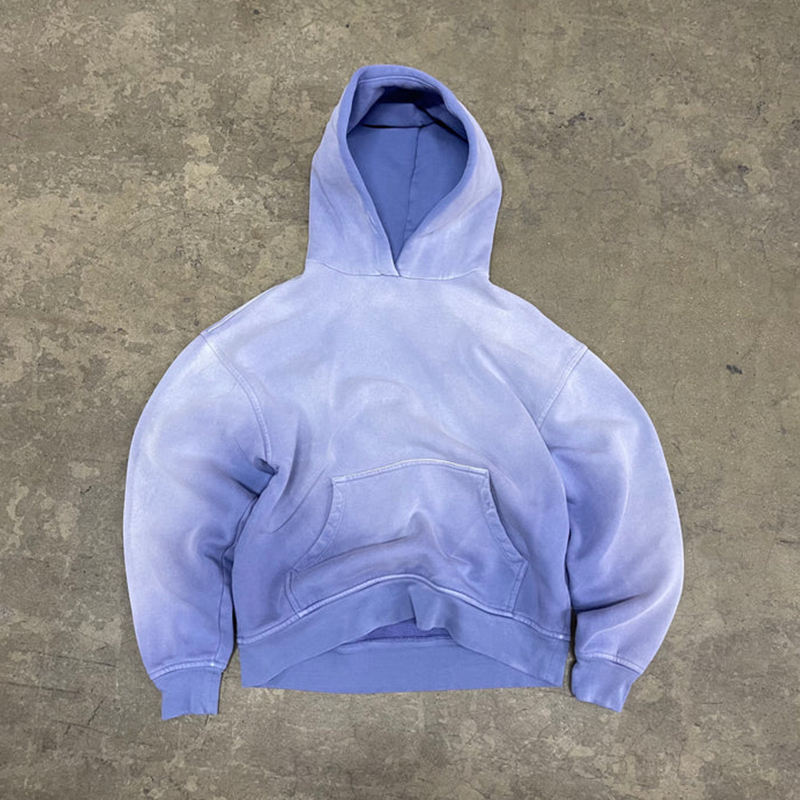
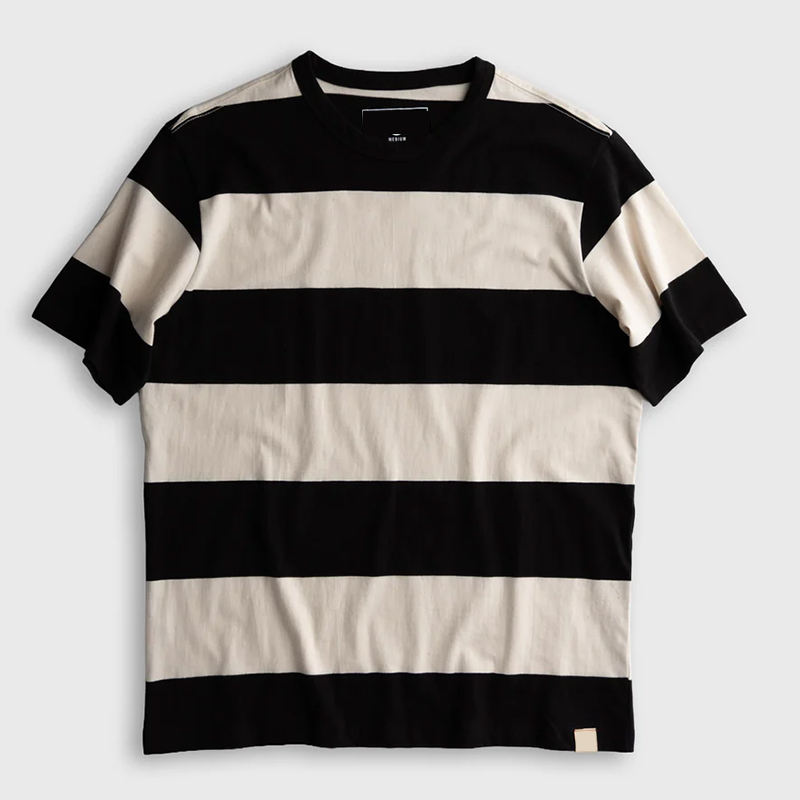
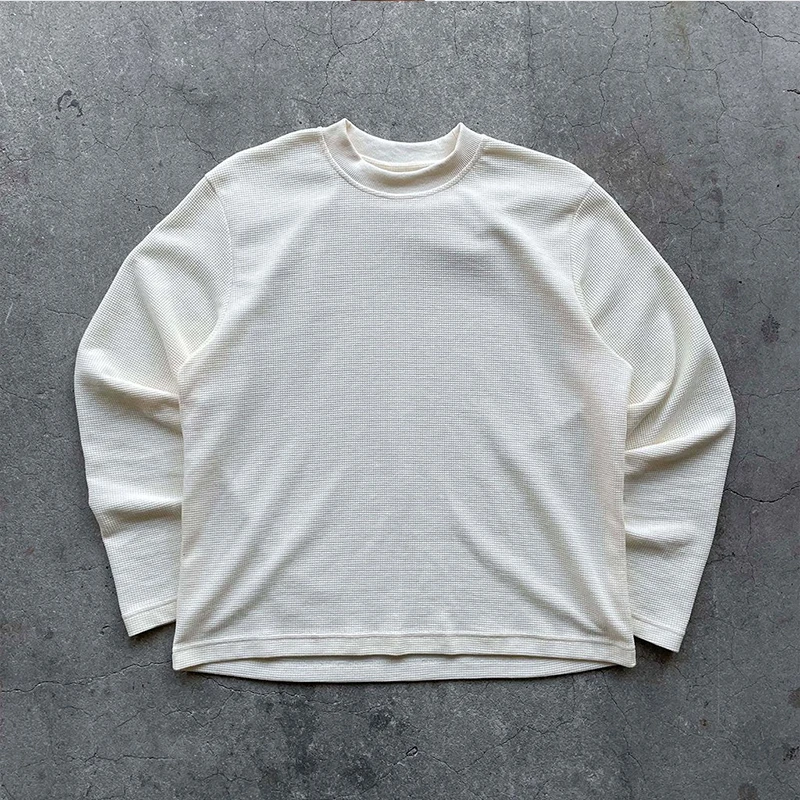
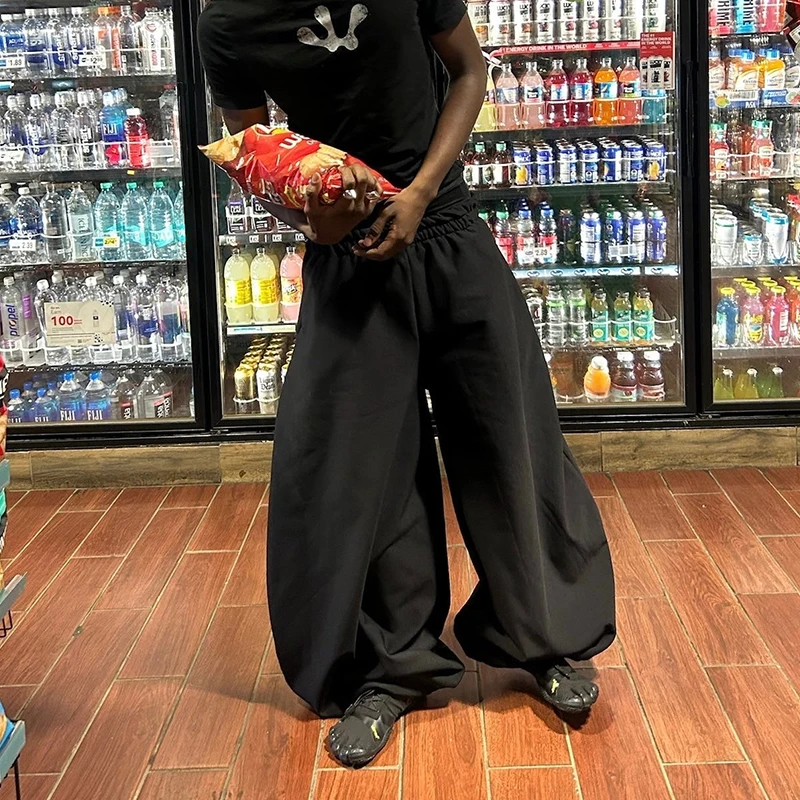
Professional Garment Suppliers: Advanced Manufacturing Solutions for Fashion Brands

Get a Free Quote

Our representative will contact you soon.
Email
Name
Company Name
Message
0/1000

garment suppliers

Garment suppliers serve as the backbone of the fashion and textile industry, functioning as specialized manufacturers and distributors that bridge the gap between raw materials and finished clothing products. These essential business partners provide comprehensive services ranging from fabric sourcing and pattern development to mass production and quality control. Modern garment suppliers operate with advanced manufacturing technologies, including computer-aided design systems, automated cutting machines, and precision sewing equipment that ensures consistency across large production runs. Their main functions encompass product development collaboration, sample creation, bulk manufacturing, quality assurance testing, and logistics coordination. Garment suppliers typically maintain extensive networks of textile mills, accessory vendors, and shipping partners to deliver complete solutions for brands and retailers. The technological features of contemporary garment suppliers include digital pattern making software, 3D garment visualization tools, automated fabric inspection systems, and real-time production tracking platforms that provide transparency throughout the manufacturing process. These suppliers handle diverse applications across multiple sectors, including fast fashion retail, luxury brand production, corporate uniform manufacturing, sportswear creation, and specialized technical apparel development. They serve businesses of all sizes, from emerging independent designers requiring small batch production to multinational corporations demanding millions of units annually. The scope of services extends beyond basic manufacturing to include sustainable material sourcing, ethical labor practices certification, compliance with international quality standards, and adaptation to regional market preferences. Garment suppliers employ skilled pattern makers, experienced sewers, quality inspectors, and production managers who work collaboratively to transform design concepts into market-ready products. Their facilities often feature climate-controlled environments, advanced washing and finishing equipment, embroidery and printing capabilities, and comprehensive testing laboratories that verify colorfastness, durability, and safety standards before products reach consumers.

New Product Releases

Working with professional garment suppliers delivers significant cost savings through economies of scale and efficient production processes that reduce per-unit expenses substantially. These suppliers maintain established relationships with fabric mills and component manufacturers, enabling them to negotiate favorable pricing that individual brands cannot access independently. Their expertise eliminates expensive trial-and-error phases during product development, as experienced teams identify potential manufacturing challenges early and propose practical solutions before costly mistakes occur. Garment suppliers provide flexible production capabilities that allow brands to test market response with smaller initial orders before committing to large inventory investments, minimizing financial risk associated with new product launches. Their established quality control systems ensure consistent standards across all manufactured items, protecting brand reputation and reducing return rates that damage profitability. Speed to market represents another critical advantage, as garment suppliers operate streamlined workflows and maintain ready access to materials, shortening the timeline from initial design approval to warehouse delivery. This rapid turnaround enables brands to capitalize on trending styles and seasonal opportunities before market windows close. Suppliers handle complex logistics including customs documentation, international shipping arrangements, and regulatory compliance, freeing brands to focus on core competencies like marketing and customer engagement. Their production capacity scalability accommodates business growth without requiring brands to invest in expensive manufacturing infrastructure, equipment purchases, or workforce expansion. Professional garment suppliers implement sustainable practices including waste reduction programs, water conservation systems, and energy-efficient machinery that help brands meet environmental goals and appeal to conscious consumers. They provide access to innovative materials and construction techniques that might be unavailable or prohibitively expensive for brands to develop independently. Technical expertise spans multiple garment categories, allowing brands to diversify product offerings without building separate manufacturing relationships for each category. Suppliers absorb seasonal demand fluctuations through their diverse client base, maintaining stable pricing and availability even during industry peak periods. Their quality assurance processes include multiple inspection checkpoints, ensuring defective items are identified and corrected before shipping, which protects customer satisfaction and brand integrity. Established garment suppliers maintain compliance certifications for labor standards, safety regulations, and industry-specific requirements, reducing legal exposure and ethical concerns for partnering brands.

Latest News

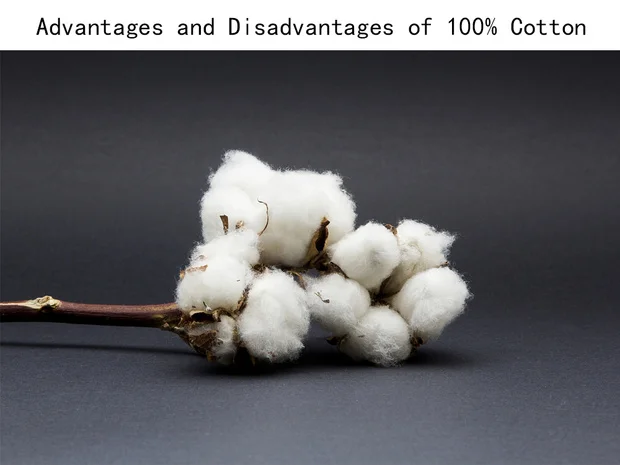
Beyond the Label: The Ultimate Guide to Sourcing True 100% Cotton in a Deceptive Market

14

May

Beyond the Label: The Ultimate Guide to Sourcing True 100% Cotton in a Deceptive Market

View More
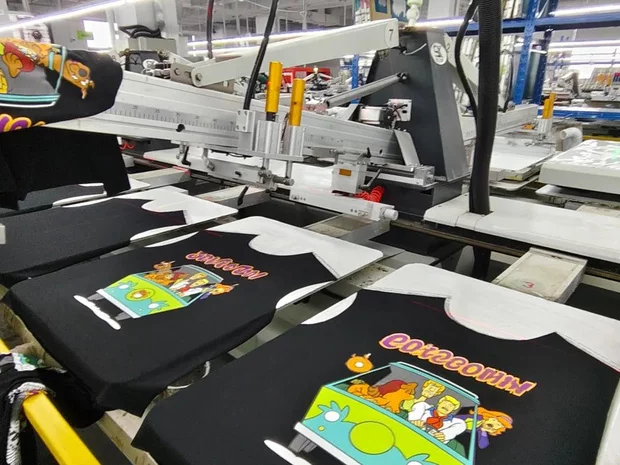
Transparency in the Digital Age: Why We Are Opening Our Doors with Actual Printing Factory Photos

14

May

Transparency in the Digital Age: Why We Are Opening Our Doors with Actual Printing Factory Photos

View More
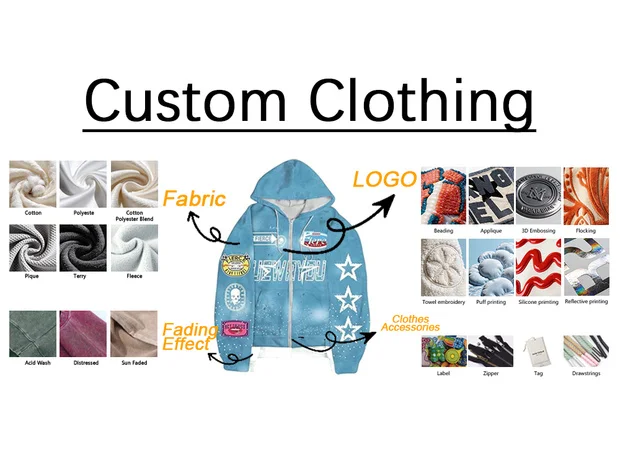
Why Factory-Direct Customization is the Secret Weapon of Global Fashion Giants

14

May

Why Factory-Direct Customization is the Secret Weapon of Global Fashion Giants

View More

Get a Free Quote

Our representative will contact you soon.
Email
Name
Company Name
Message
0/1000

garment suppliers

Advanced Manufacturing Technology Integration

Advanced Manufacturing Technology Integration

Modern garment suppliers distinguish themselves through sophisticated technology integration that revolutionizes traditional manufacturing processes and delivers superior results for partnering brands. These suppliers invest heavily in computer-aided design and computer-aided manufacturing systems that translate digital designs into precise cutting patterns and production specifications, eliminating human error and ensuring exact replication across thousands of units. Automated fabric spreading and cutting equipment maximizes material utilization while maintaining precise measurements, reducing waste percentages from industry averages of fifteen percent down to single digits, which translates directly into cost savings passed to clients. Digital printing technologies enable garment suppliers to produce complex patterns and custom designs without the setup costs and minimum order quantities traditionally required for screen printing, opening creative possibilities for limited edition releases and personalized products. Three-dimensional garment visualization software allows brands to review realistic virtual samples before physical production begins, accelerating approval cycles and reducing the expense and environmental impact of multiple prototype iterations. Radio frequency identification systems track individual garments throughout the production process, providing real-time visibility into manufacturing progress and enabling proactive management of potential delays. Automated sewing machines with programmable stitch patterns ensure consistent seam quality and construction integrity that manual operations cannot match, particularly for complex technical garments requiring precise specifications. Quality inspection technologies including automated fabric flaw detection systems identify imperfections invisible to human inspectors, preventing substandard materials from entering production lines. These suppliers implement enterprise resource planning software that integrates inventory management, production scheduling, and order tracking into unified systems accessible to brand partners through secure portals. Environmental monitoring equipment maintains optimal temperature and humidity conditions throughout manufacturing facilities, preventing fabric distortion and ensuring color consistency that manual climate control cannot achieve. Washing and finishing equipment with programmable cycles produces exact texture and appearance characteristics specified by brands, with repeatability that traditional methods cannot guarantee across large production volumes.
Comprehensive Supply Chain Management Excellence

Comprehensive Supply Chain Management Excellence

Exceptional garment suppliers provide end-to-end supply chain management that extends far beyond basic manufacturing services, functioning as strategic partners that handle complex logistics and procurement challenges. These suppliers maintain extensive networks of vetted fabric mills, trim manufacturers, and component suppliers across multiple countries, ensuring material availability even when specific items face shortages or supply disruptions. Their purchasing power and established relationships enable access to exclusive fabrics and premium materials that individual brands cannot source independently, providing competitive differentiation in crowded markets. Garment suppliers employ dedicated sourcing specialists who continuously research emerging materials, sustainable alternatives, and innovative textiles, presenting options that align with brand values and target customer preferences. They manage inventory holding for commonly used materials, allowing brands to place orders without extended lead times for fabric procurement, which significantly accelerates production schedules and improves market responsiveness. These suppliers coordinate complex international shipping logistics, including consolidated container management that combines orders from multiple brands to optimize freight costs and reduce per-unit transportation expenses. Their expertise in customs regulations and import-export documentation prevents costly delays at international borders and ensures compliance with trade agreements and tariff classifications. Garment suppliers maintain relationships with multiple shipping carriers, enabling them to select optimal routing and negotiate favorable rates that individual brands cannot access. They implement sophisticated demand forecasting systems that anticipate material requirements based on historical patterns and upcoming orders, preventing production delays caused by component shortages. Quality assurance extends throughout the supply chain, with suppliers conducting audits of fabric mills and component manufacturers to verify standards before materials enter production facilities. These suppliers manage vendor performance continuously, identifying reliability issues and developing backup sources that protect brands from single-supplier vulnerabilities. Their established credit relationships with material suppliers enable flexible payment terms that improve cash flow for brand partners. Garment suppliers coordinate seasonal capacity planning across their network of manufacturing facilities, ensuring adequate production resources during peak periods without the premium pricing that emergency outsourcing requires.
Ethical Manufacturing and Sustainability Leadership

Ethical Manufacturing and Sustainability Leadership

Progressive garment suppliers prioritize ethical manufacturing practices and environmental sustainability initiatives that address growing consumer concerns and regulatory requirements while delivering tangible value to partnering brands. These suppliers implement comprehensive worker welfare programs that exceed minimum legal standards, providing fair wages, safe working conditions, reasonable hours, and opportunities for skill development that attract and retain experienced manufacturing teams. Their commitment to ethical practices includes regular third-party audits verifying compliance with international labor standards, providing brands with documented assurance that products are manufactured responsibly. Garment suppliers invest in modern facility infrastructure including proper ventilation systems, ergonomic workstations, and safety equipment that protects worker health and reduces accident rates, demonstrating social responsibility that resonates with conscious consumers. Environmental sustainability initiatives include closed-loop water recycling systems that reduce consumption by up to seventy percent compared to conventional processes, addressing the textile industry's significant water footprint. These suppliers install energy-efficient LED lighting, solar panels, and optimized HVAC systems that decrease carbon emissions while reducing operational costs that benefit pricing for brand partners. Waste reduction programs capture fabric scraps for recycling into insulation materials, cleaning cloths, or fiber reclamation, diverting materials from landfills and generating additional revenue streams. Garment suppliers partner with mills producing organic cotton, recycled polyester, and innovative sustainable fabrics derived from bamboo, hemp, or reclaimed ocean plastics, enabling brands to offer environmentally responsible product lines. Their chemical management systems ensure dyes and finishing treatments meet strict environmental standards, preventing harmful substances from contaminating water supplies or remaining in finished garments. These suppliers provide transparent reporting on environmental metrics including water usage, energy consumption, and waste generation, supplying documentation for brand sustainability reports and marketing claims. They maintain certifications from recognized organizations verifying organic materials, fair trade practices, and environmental management systems, transferring credibility to brands through verified supply chain integrity. Progressive garment suppliers invest in employee education programs covering sustainability practices, quality improvement methodologies, and technical skill advancement, creating engaged workforces that deliver superior results.

Get a Free Quote

Our representative will contact you soon.
Email
Name
Company Name
Message
0/1000