Professional Clothing Line Manufacturers - Quality Garment Production Services

Get a Free Quote

Our representative will contact you soon.
Email
Name
Company Name
Message
0/1000

clothing line manufacturers

Clothing line manufacturers represent specialized production facilities and service providers that transform fashion concepts into finished garments ready for retail distribution. These manufacturers serve as the backbone of the global apparel industry, offering comprehensive solutions from initial design consultation through final product delivery. Modern clothing line manufacturers integrate cutting-edge technology with traditional craftsmanship to deliver high-quality garments at scale. Their main functions encompass pattern making, fabric sourcing, sample development, bulk production, quality control, and logistics coordination. Advanced clothing line manufacturers utilize computer-aided design systems, automated cutting machines, and precision sewing equipment to ensure consistency and efficiency throughout the production process. They work with diverse materials ranging from natural fibers like cotton and wool to synthetic blends and sustainable alternatives. The technological features of contemporary clothing line manufacturers include digital printing capabilities, laser cutting technology, 3D prototyping systems, and integrated inventory management software. These innovations enable faster turnaround times, reduced waste, and greater customization options for clients. Applications of clothing line manufacturers span multiple sectors including fashion brands, retail chains, corporate uniform programs, promotional merchandise, and private label collections. They cater to various market segments from luxury fashion houses requiring intricate detailing and premium materials to mass-market retailers needing cost-effective production at volume. Many clothing line manufacturers also provide value-added services such as trend forecasting, fabric development, sustainable sourcing options, and compliance certification. Their expertise extends to understanding regional market preferences, sizing standards, and regulatory requirements across different countries. The strategic location of clothing line manufacturers often influences production decisions, with facilities situated in regions offering skilled labor, competitive costs, or proximity to target markets. Leading clothing line manufacturers maintain certifications for social compliance, environmental standards, and quality management systems, ensuring ethical practices throughout their operations.

New Product Recommendations

Working with professional clothing line manufacturers delivers numerous practical benefits that directly impact your business success and operational efficiency. First and foremost, these manufacturers provide significant cost savings through economies of scale, enabling you to access competitive pricing that would be impossible to achieve with smaller production runs or in-house manufacturing. They absorb the substantial capital investment required for specialized equipment, trained personnel, and facility maintenance, allowing you to focus your resources on brand development and marketing initiatives. Clothing line manufacturers bring invaluable expertise accumulated through years of producing diverse garment types, which translates into superior product quality and fewer production errors. Their established relationships with fabric suppliers and trim vendors give you access to better material pricing and a wider selection of components than you could negotiate independently. These manufacturers significantly reduce your time to market by managing complex production schedules, coordinating multiple production stages, and maintaining ready capacity to handle urgent orders. They provide flexibility in production volumes, accommodating both small batch orders for testing new designs and large-scale runs for successful products without requiring long-term commitments. Professional clothing line manufacturers implement rigorous quality control procedures at multiple checkpoints, catching defects early and ensuring consistent standards across all units produced. Their technical knowledge helps optimize your designs for manufacturability, suggesting modifications that reduce costs without compromising aesthetic appeal or functionality. Many clothing line manufacturers offer comprehensive services including sourcing assistance, helping you identify the best materials within your budget constraints while meeting your quality specifications. They handle complicated logistics including customs documentation, shipping coordination, and inventory management, removing administrative burdens from your team. Risk mitigation represents another crucial advantage, as established clothing line manufacturers carry appropriate insurance, maintain compliance with labor laws, and follow safety regulations, protecting you from potential legal and financial liabilities. Their production capacity allows you to scale operations rapidly during peak seasons or unexpected demand surges without investing in additional infrastructure. Working with experienced clothing line manufacturers also provides access to their innovation capabilities, including new production techniques, sustainable manufacturing methods, and emerging material technologies that keep your products competitive. They offer transparent communication throughout the production cycle, providing regular updates, sample approvals, and documentation that gives you control and visibility over the manufacturing process.

Latest News

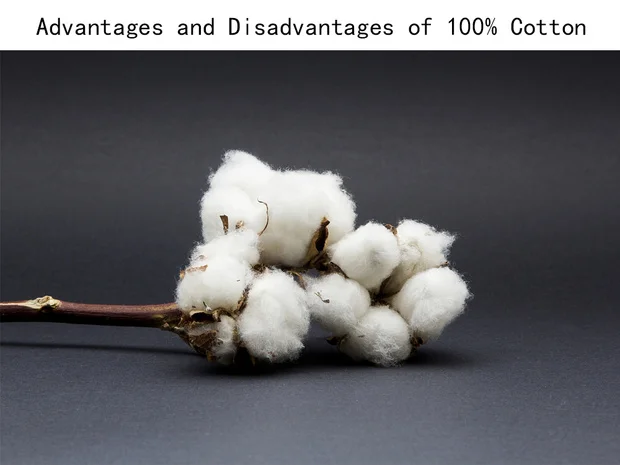
Beyond the Label: The Ultimate Guide to Sourcing True 100% Cotton in a Deceptive Market

14

May

Beyond the Label: The Ultimate Guide to Sourcing True 100% Cotton in a Deceptive Market

View More
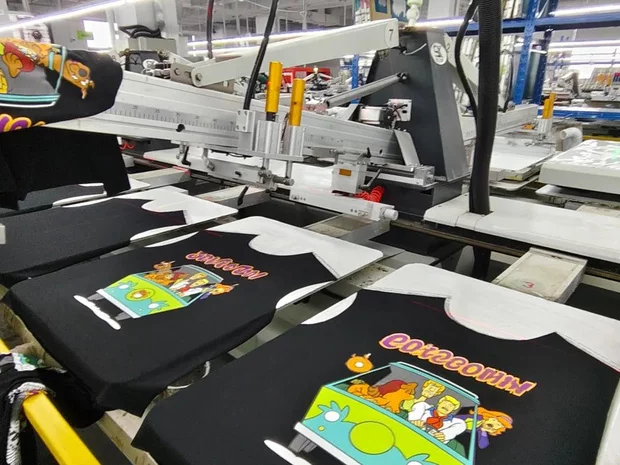
Transparency in the Digital Age: Why We Are Opening Our Doors with Actual Printing Factory Photos

14

May

Transparency in the Digital Age: Why We Are Opening Our Doors with Actual Printing Factory Photos

View More
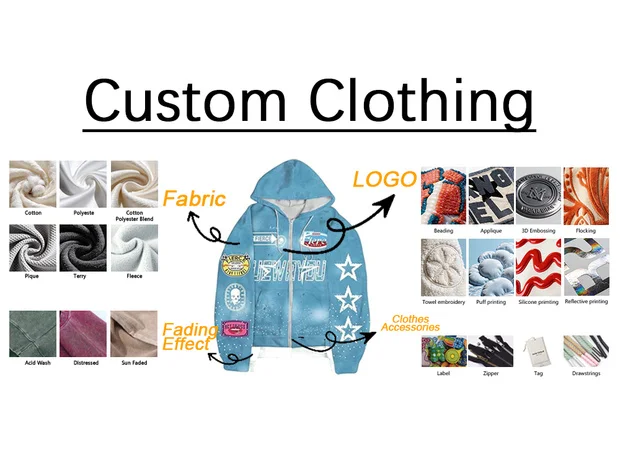
Why Factory-Direct Customization is the Secret Weapon of Global Fashion Giants

14

May

Why Factory-Direct Customization is the Secret Weapon of Global Fashion Giants

View More

Get a Free Quote

Our representative will contact you soon.
Email
Name
Company Name
Message
0/1000

clothing line manufacturers

Advanced Production Technology Integration

Advanced Production Technology Integration

Modern clothing line manufacturers distinguish themselves through sophisticated integration of advanced production technologies that revolutionize garment manufacturing efficiency and quality. These manufacturers invest heavily in state-of-the-art equipment that combines automation with precision craftsmanship to deliver exceptional results. Computer-aided design and pattern-making systems enable clothing line manufacturers to digitize entire collections, creating accurate technical specifications that eliminate human error in measurement and cutting. This digital foundation allows for rapid modifications and instant sharing of design files across global teams, dramatically accelerating the development cycle. Automated cutting machines guided by computerized patterns achieve material utilization rates exceeding ninety percent, significantly reducing fabric waste compared to manual cutting methods while ensuring every piece matches exact specifications. Advanced sewing equipment with programmable stitch patterns maintains consistency across thousands of units, producing uniform seam quality that manual operations cannot replicate. Many clothing line manufacturers now employ 3D prototyping technology that generates virtual samples, allowing designers to visualize fit and drape without producing physical prototypes, saving both time and material costs during the development phase. Digital printing capabilities integrated within clothing line manufacturers enable customized graphics, intricate patterns, and photo-realistic images directly onto fabrics with exceptional color accuracy and detail resolution. Laser cutting and engraving technologies provide precise detailing, clean edges, and decorative elements impossible to achieve through traditional methods, opening creative possibilities for distinctive design features. Quality monitoring systems equipped with artificial intelligence and computer vision detect defects invisible to human inspection, identifying irregularities in stitching, fabric consistency, and color matching before products leave the production floor. Integrated management software connects all production stages, providing real-time visibility into order status, inventory levels, and production capacity, enabling clothing line manufacturers to optimize scheduling and resource allocation dynamically. These technological advantages translate directly into tangible benefits for clients, including shorter lead times, lower minimum order quantities, greater design flexibility, and superior product consistency. The technology infrastructure maintained by professional clothing line manufacturers represents millions in capital investment that individual brands could never justify, yet clients access these capabilities simply by partnering with the right manufacturer.
Comprehensive Quality Assurance Systems

Comprehensive Quality Assurance Systems

The quality assurance frameworks implemented by professional clothing line manufacturers constitute a critical differentiator that protects brand reputation and ensures customer satisfaction. These comprehensive systems begin long before production starts and continue through every stage until finished garments ship to their destination. Leading clothing line manufacturers establish detailed quality specifications in collaboration with clients, documenting exact measurements, construction methods, material standards, and appearance criteria that define acceptable products. Incoming material inspection represents the first checkpoint, where trained technicians examine fabrics, trims, and components against approved samples, testing for color consistency, weight, strength, and other physical properties before authorizing materials for production. During cutting operations, quality controllers verify pattern accuracy, grain alignment, and piece marking to prevent issues that would compromise garment fit or appearance in subsequent stages. In-line inspection occurs continuously throughout sewing operations, with supervisors monitoring stitch quality, seam strength, and construction techniques to catch deviations immediately rather than discovering problems in finished products. Clothing line manufacturers employ specialized testing equipment including fabric strength testers, color matching spectrophotometers, wash testing machines, and dimensional stability analyzers to objectively measure product characteristics against established standards. Mid-production audits assess representative samples from each style and size, conducting detailed measurements and functionality tests to confirm that production matches approved samples before completing full order quantities. Final inspection represents the last opportunity to identify defects, with trained quality assurance personnel examining every garment individually for workmanship issues, measurement accuracy, appearance defects, and proper finishing. Many clothing line manufacturers implement statistical quality control methods, tracking defect rates across production runs and identifying trends that indicate equipment adjustment needs or training opportunities for operators. Third-party testing and certification available through established clothing line manufacturers provides independent verification of product safety, performance characteristics, and compliance with regulatory requirements in target markets. Documentation systems maintained by professional manufacturers create complete traceability, recording material sources, production dates, inspection results, and corrective actions taken, which proves invaluable if quality issues arise after shipment. The quality assurance capabilities of experienced clothing line manufacturers reduce return rates, minimize brand damage from defective products, and build consumer confidence that translates into repeat purchases and positive reviews.
Sustainable and Ethical Manufacturing Practices

Sustainable and Ethical Manufacturing Practices

Progressive clothing line manufacturers increasingly prioritize sustainable and ethical manufacturing practices that align with growing consumer expectations and regulatory requirements while delivering environmental and social benefits. These manufacturers recognize that responsible production represents both a moral imperative and a competitive advantage as conscious consumers actively seek brands demonstrating genuine commitment to sustainability. Environmental initiatives implemented by forward-thinking clothing line manufacturers include comprehensive waste reduction programs that recycle fabric scraps, reuse water in dyeing processes, and minimize packaging materials throughout the supply chain. Energy efficiency improvements such as LED lighting, solar panel installations, and heat recovery systems substantially reduce the carbon footprint associated with garment production. Many clothing line manufacturers have transitioned to low-impact dyes and chemical processes that eliminate toxic substances from wastewater, protecting local water sources and reducing environmental contamination. Sustainable material sourcing represents another focus area, with manufacturers offering organic cotton, recycled polyester, regenerated fibers, and innovative materials derived from renewable resources as alternatives to conventional fabrics. Clothing line manufacturers pursuing sustainability certifications such as GOTS, OEKO-TEX, and Bluesign provide documented verification of their environmental practices, giving brands credible proof points for marketing sustainable collections. Ethical labor practices form an equally important dimension of responsible manufacturing, with leading clothing line manufacturers ensuring fair wages, safe working conditions, reasonable working hours, and respect for worker rights throughout their operations. Regular social compliance audits conducted by independent third parties verify that clothing line manufacturers maintain standards for workplace safety, prohibit child labor and forced labor, and respect freedom of association. Transparency initiatives increasingly adopted by clothing line manufacturers include facility disclosures, supply chain mapping, and sustainability reporting that provide brands and consumers visibility into production conditions. Investment in worker welfare programs such as skills training, healthcare access, childcare facilities, and educational opportunities demonstrates that progressive clothing line manufacturers view employees as valued stakeholders rather than production inputs. Circular economy principles guide innovative clothing line manufacturers who design products for longevity, facilitate repairs, and establish take-back programs that recover materials from worn garments for remanufacturing into new products. These sustainable and ethical practices generate multiple benefits including regulatory compliance, risk mitigation, enhanced brand reputation, and appeal to the growing segment of consumers who make purchasing decisions based on corporate responsibility.

Get a Free Quote

Our representative will contact you soon.
Email
Name
Company Name
Message
0/1000