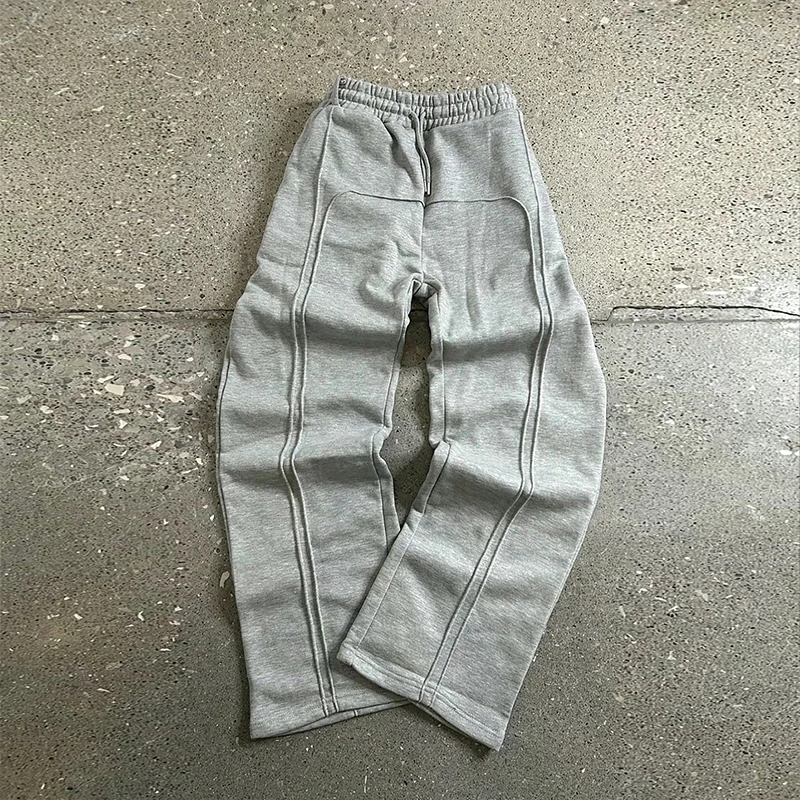
Professional Clothing Manufacturing Factory Services - Quality Garment Production Solutions

Get a Free Quote

Our representative will contact you soon.
Email
Name
Company Name
Message
0/1000

clothing manufacturing factory

A clothing manufacturing factory serves as the backbone of the fashion and apparel industry, transforming raw materials into finished garments ready for consumer markets worldwide. These specialized production facilities integrate cutting-edge technology with skilled craftsmanship to deliver high-quality clothing products at scale. The clothing manufacturing factory operates through multiple interconnected departments including design development, pattern making, fabric sourcing, cutting, sewing, quality control, and finishing. Modern clothing manufacturing factory operations leverage computer-aided design systems, automated cutting machines, and advanced sewing equipment to maximize efficiency while maintaining precision. The main functions encompass complete garment production from initial concept through final packaging. Design teams collaborate with clients to refine specifications, while production planners optimize workflows to meet delivery schedules. Pattern makers create templates that guide cutting operations, ensuring minimal fabric waste and consistent sizing across production runs. The technological features of contemporary clothing manufacturing factory environments include digital fabric inspection systems that identify defects before cutting, computerized embroidery machines for decorative elements, and heat-press equipment for applying transfers and labels. Many facilities now incorporate sustainable practices such as water recycling systems, energy-efficient lighting, and waste reduction programs. Applications span diverse sectors including fast fashion retailers, luxury brands, corporate uniforms, sportswear companies, and specialty garments for medical or industrial purposes. The clothing manufacturing factory model supports both large-scale mass production and smaller batch manufacturing for boutique labels. Quality assurance protocols ensure every garment meets specified standards for stitching integrity, color consistency, and dimensional accuracy. Advanced facilities offer value-added services like custom labeling, specialized packaging, and direct-to-retailer distribution. The integration of inventory management systems enables real-time tracking of materials and finished goods throughout the production cycle.
Popular Products

Choosing a professional clothing manufacturing factory delivers tangible benefits that directly impact your business success and customer satisfaction. First, you gain access to specialized expertise accumulated through years of production experience. Factory teams understand fabric behavior, construction techniques, and finishing methods that ensure durability and aesthetic appeal. This knowledge translates into garments that withstand regular wear and maintain their appearance over time. Second, economies of scale reduce per-unit costs significantly compared to small-scale production. A clothing manufacturing factory purchases materials in bulk, negotiating better prices that lower your overall expenses. The streamlined workflows and specialized equipment minimize labor hours per garment, creating cost savings that improve your profit margins or allow competitive pricing strategies. Third, speed to market becomes a competitive advantage. Established factories maintain relationships with fabric suppliers and component providers, reducing procurement delays. Their optimized production lines complete orders faster than fragmented manufacturing approaches, helping you capitalize on seasonal trends and respond quickly to market demands. Fourth, consistency across production batches protects your brand reputation. A clothing manufacturing factory implements standardized procedures and regular quality inspections that eliminate variations between garments. Customers receive the same fit, color, and quality whether purchasing the first piece or the thousandth. Fifth, flexibility accommodates your evolving needs. Modern factories handle various order sizes, from test batches of new designs to large replenishment orders. They adjust production schedules to meet your launch dates and can modify designs based on initial market feedback. Sixth, compliance expertise ensures your products meet regulatory requirements across different markets. Factories stay current with safety standards, labeling laws, and trade regulations, reducing your legal risks. Seventh, you free internal resources to focus on core business activities like marketing, sales, and customer relationships rather than managing complex production operations. Eighth, access to diverse capabilities under one roof simplifies coordination. The clothing manufacturing factory handles everything from sourcing trims and accessories to special treatments like stone washing or pleating. Finally, many factories now offer transparent communication systems that provide production updates, allowing better inventory planning and customer communication about delivery expectations.

Tips And Tricks

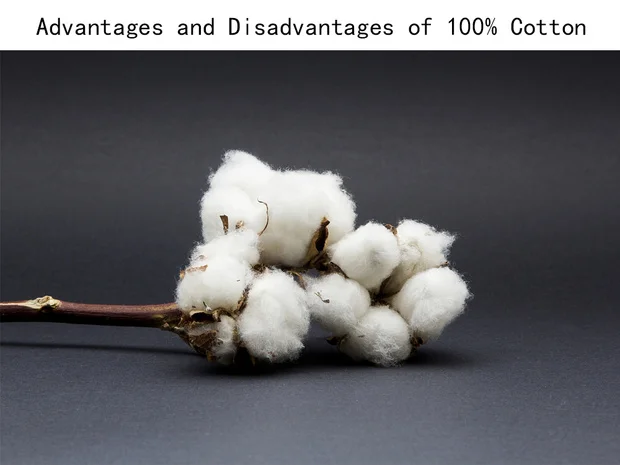
Beyond the Label: The Ultimate Guide to Sourcing True 100% Cotton in a Deceptive Market

14

May

Beyond the Label: The Ultimate Guide to Sourcing True 100% Cotton in a Deceptive Market

View More
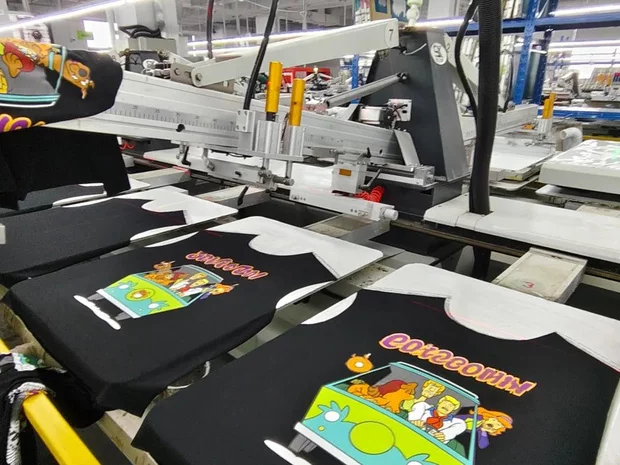
Transparency in the Digital Age: Why We Are Opening Our Doors with Actual Printing Factory Photos

14

May

Transparency in the Digital Age: Why We Are Opening Our Doors with Actual Printing Factory Photos

View More
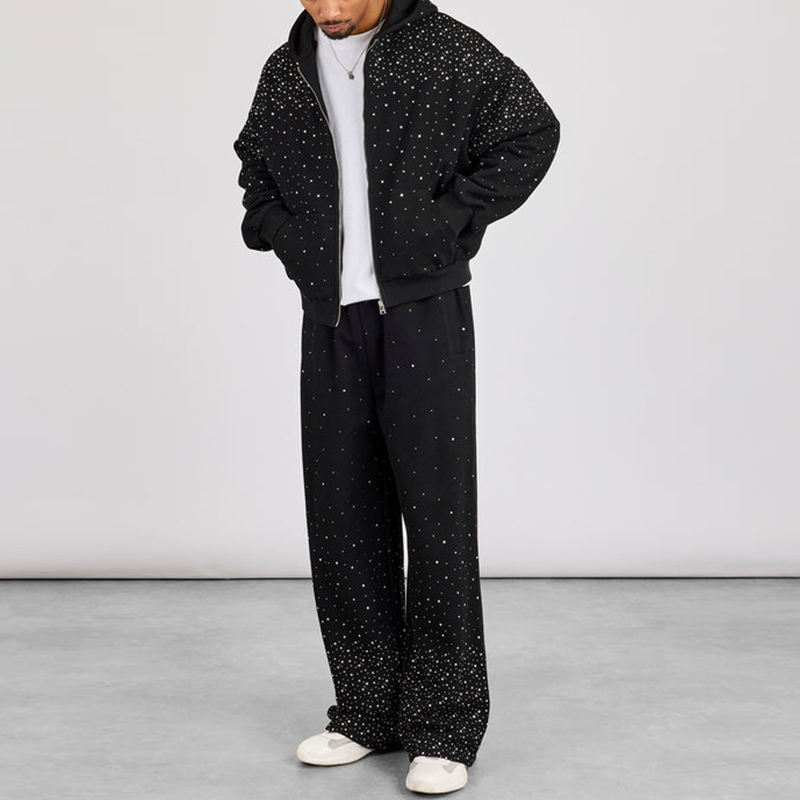
Why Factory-Direct Customization is the Secret Weapon of Global Fashion Giants

14

May

Why Factory-Direct Customization is the Secret Weapon of Global Fashion Giants

View More

Get a Free Quote

Our representative will contact you soon.
Email
Name
Company Name
Message
0/1000

clothing manufacturing factory

Advanced Production Technology Integration

Advanced Production Technology Integration

The modern clothing manufacturing factory distinguishes itself through sophisticated technological integration that revolutionizes traditional garment production methods. At the core of these advancements lies computer-aided design and manufacturing systems that bridge the gap between creative vision and physical production. Designers utilize three-dimensional modeling software to visualize garments before cutting a single fabric piece, allowing clients to approve designs digitally and make modifications without material waste. This digital-first approach accelerates the sampling process, reducing time from concept to prototype by up to sixty percent compared to conventional methods. Automated fabric cutting systems represent another technological leap forward. These precision machines use laser guidance or computer-controlled blades to cut multiple fabric layers simultaneously with millimeter accuracy. The clothing manufacturing factory programming optimizes pattern placement to minimize waste, often achieving fabric utilization rates exceeding ninety percent. This efficiency not only reduces material costs but also supports environmental sustainability by decreasing textile waste sent to landfills. Robotic assistance in repetitive tasks enhances both speed and consistency. Automated pocket setters, buttonhole makers, and seam-sealing machines perform specialized operations with perfect repeatability, eliminating human error in critical construction steps. Workers focus on skilled tasks requiring judgment and dexterity while machines handle high-volume standardized operations. Quality control technology embedded throughout the clothing manufacturing factory includes inline inspection systems that photograph every garment, using artificial intelligence to detect stitching irregularities, color variations, or construction defects invisible to casual observation. These systems flag questionable items for detailed human review before they proceed to finishing stages. Digital inventory management tracks every component from raw fabric arrival through finished goods shipment. RFID tags and barcode systems provide real-time visibility into production status, enabling accurate delivery estimates and preventing material shortages that could halt production lines. The technological infrastructure within a clothing manufacturing factory creates data trails that support continuous improvement initiatives, identifying bottlenecks and inefficiencies that teams can systematically address.
Comprehensive Quality Assurance Framework

Comprehensive Quality Assurance Framework

Quality stands as the fundamental differentiator for any reputable clothing manufacturing factory, requiring systematic approaches that examine every production aspect from incoming materials to final packaging. This comprehensive quality assurance framework begins before manufacturing commences with rigorous raw material inspection protocols. Fabric shipments undergo testing for colorfastness, shrinkage rates, tensile strength, and dimensional stability. The clothing manufacturing factory laboratory subjects samples to simulated washing cycles, stretching tests, and pilling assessments that predict how garments will perform throughout their useful life. Only materials meeting predetermined specifications advance to production floors. Pattern accuracy verification ensures cutting templates match approved designs exactly. Minor deviations in pattern dimensions can compound across thousands of garments, resulting in sizing inconsistencies that frustrate customers and generate returns. The clothing manufacturing factory pattern department maintains version control systems and conducts regular audits comparing physical patterns against digital masters. During cutting operations, supervisors verify blade sharpness and alignment, as dull blades create frayed edges requiring additional finishing work. Fabric orientation receives careful attention to ensure directional prints or napped materials maintain consistent appearance across all garment pieces. The sewing phase incorporates multiple inspection checkpoints where specialized quality controllers examine construction details. They verify stitch density meets specifications, seam allowances maintain consistency, and all structural elements align properly. The clothing manufacturing factory implements statistical sampling plans that examine predetermined percentages of production at various stages, catching systematic errors before large quantities are affected. Finishing operations include dimensional measurements confirming garments match size specifications across chest, length, sleeve, and other critical dimensions. Color matching assessments ensure batch consistency, particularly important when producing garments from multiple fabric dyelots. Functional testing verifies zippers operate smoothly, buttons attach securely, and any special features like pockets or adjustable elements perform as intended. The final inspection represents the last defense against defects reaching customers. Trained inspectors examine every garment under proper lighting, checking for loose threads, skipped stitches, stains, or any cosmetic imperfections. The clothing manufacturing factory maintains detailed records of defect types and frequencies, using this data to identify training needs or equipment maintenance requirements that prevent recurring issues.
Flexible Production Capabilities and Customization

Flexible Production Capabilities and Customization

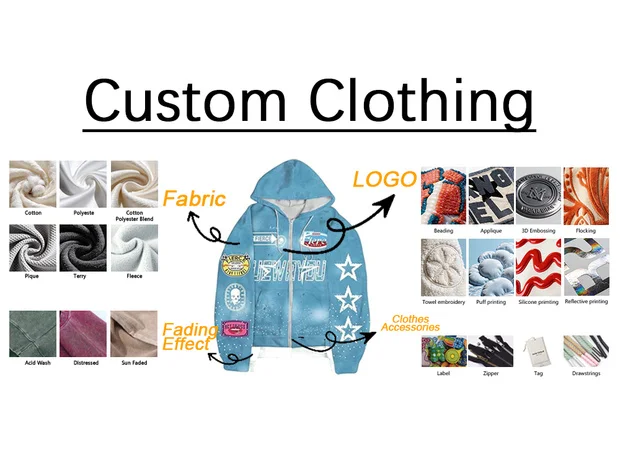
The ability to accommodate diverse client needs separates exceptional clothing manufacturing factory operations from basic production facilities. Flexibility manifests across multiple dimensions including order volume, design complexity, material variety, and customization depth. Unlike rigid mass-production environments optimized for single product types, versatile factories configure production lines to handle everything from intricate formal wear with multiple components to streamlined basics requiring minimal operations. This adaptability proves invaluable for brands testing new market segments or seasonal collections with uncertain demand. A clothing manufacturing factory offering genuine flexibility maintains relationships with extensive supplier networks spanning various fabric types, trim options, and specialty materials. When clients specify organic cotton, technical performance fabrics, or luxurious natural fibers, the factory sources appropriate materials meeting quality standards and ethical considerations. This sourcing capability extends to decorative elements like custom-printed labels, unique buttons, specialized zippers, or embellishments that differentiate products in competitive markets. Production scheduling flexibility allows clients to place orders matching their business cycles rather than conforming to rigid manufacturing calendars. The clothing manufacturing factory accommodates rush orders when unexpected opportunities arise, while also managing planned production for predictable seasonal demands. This scheduling agility requires sophisticated capacity planning and workforce management that balances multiple client requirements simultaneously without compromising delivery commitments. Customization services transform standard designs into distinctive products that strengthen brand identity. Embroidery capabilities add logos, monograms, or decorative elements with precision threading that withstands repeated washing. Screen printing and heat transfer technologies apply graphics in various sizes and color combinations. The clothing manufacturing factory invests in equipment supporting these value-added services, recognizing that customization commands premium pricing and builds customer loyalty. Sample development represents another critical flexibility dimension. Before committing to large production runs, brands need physical samples demonstrating how designs translate into actual garments. Responsive factories produce samples quickly, incorporating feedback through multiple revision cycles until clients approve final specifications. This iterative process ensures the clothing manufacturing factory clearly understands expectations before full production begins. Size range accommodation extends market reach by serving diverse customer demographics. Factories equipped to produce extended size ranges from petite through plus sizes enable brands to embrace inclusive sizing strategies. This capability requires pattern grading expertise and quality systems ensuring proper fit across the entire size spectrum. Ultimately, flexible clothing manufacturing factory partnerships empower brands to respond dynamically to market changes, experiment with innovative designs, and deliver exactly what their customers desire.

Get a Free Quote

Our representative will contact you soon.
Email
Name
Company Name
Message
0/1000