
 EN
EN


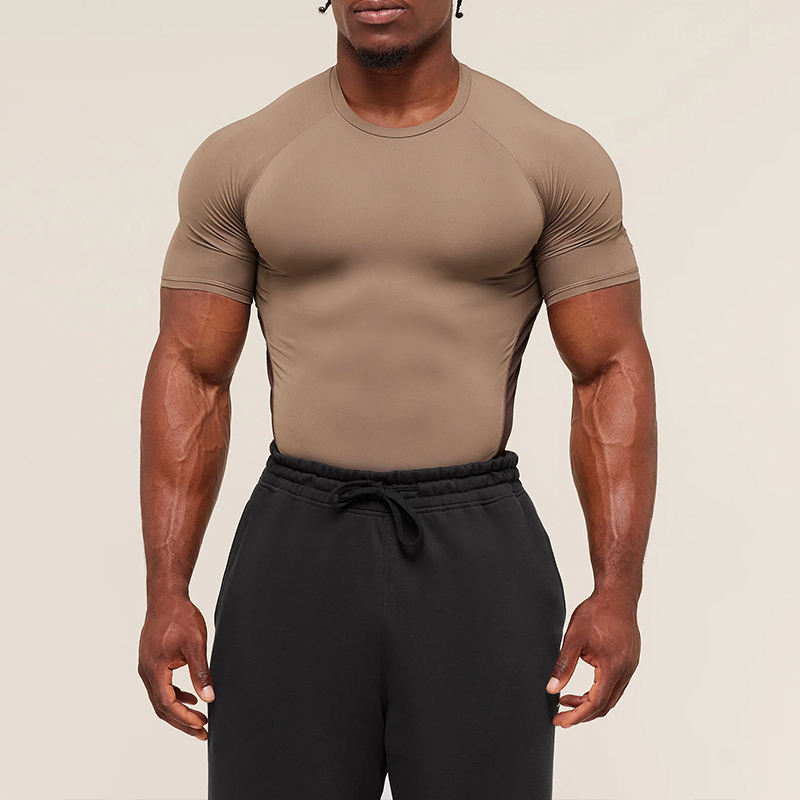
Whether you are launching your very first fashion label or running a well-established apparel business, choosing the right clothing manufacturer supplier is one of the most consequential decisions you will ever make. The relationship you build with a manufacturing partner shapes your product quality, cost structure, delivery timelines, and ultimately your brand reputation. Yet many entrepreneurs and seasoned brand owners alike often wonder whether a single clothing manufacturer supplier can genuinely serve both ends of the business spectrum. The answer is nuanced, and understanding the full picture is essential before committing to any production partnership.
This article explores exactly what makes a clothing manufacturer supplier suitable or unsuitable for startups versus established brands, what criteria you should evaluate at each stage of business growth, and how to identify the right production partner for your specific situation. From minimum order quantities to custom development capabilities, the factors that matter shift significantly depending on where your brand stands today and where you intend to take it tomorrow. Understanding these differences will help you make a smarter, more strategic sourcing decision from day one.
Understanding What a Clothing Manufacturer Supplier Actually Offers
The Core Functions of a Manufacturing Partner
A clothing manufacturer supplier is not simply a factory that cuts and sews fabric. Modern manufacturing partners typically offer a much broader range of services, including fabric sourcing, pattern making, sample development, bulk production, quality control, and sometimes even logistics coordination. This comprehensive service model is particularly valuable for brands that do not yet have in-house technical teams capable of managing every step of the apparel production process independently.
For startups especially, a full-service clothing manufacturer supplier can function almost like an outsourced production department. Rather than hiring separate specialists for each technical function, a capable supplier consolidates those roles under one roof. This reduces operational complexity and allows emerging brands to focus their limited resources on marketing, brand building, and sales rather than getting overwhelmed by production logistics.
Established brands, on the other hand, often approach the clothing manufacturer supplier relationship more transactionally, with clearly defined specs, tech packs, and expectations already in place. For them, the supplier's value shifts toward reliability, scalability, competitive pricing, and the ability to handle large or complex orders without compromising consistency.
Product Range and Specialization
Different manufacturing partners specialize in different garment categories. Some clothing manufacturer supplier operations focus entirely on knitwear, others on denim, woven workwear, sportswear, or premium streetwear. The specialization matters enormously because it determines whether the supplier's machinery, expertise, and workforce are actually aligned with what your brand needs to produce.
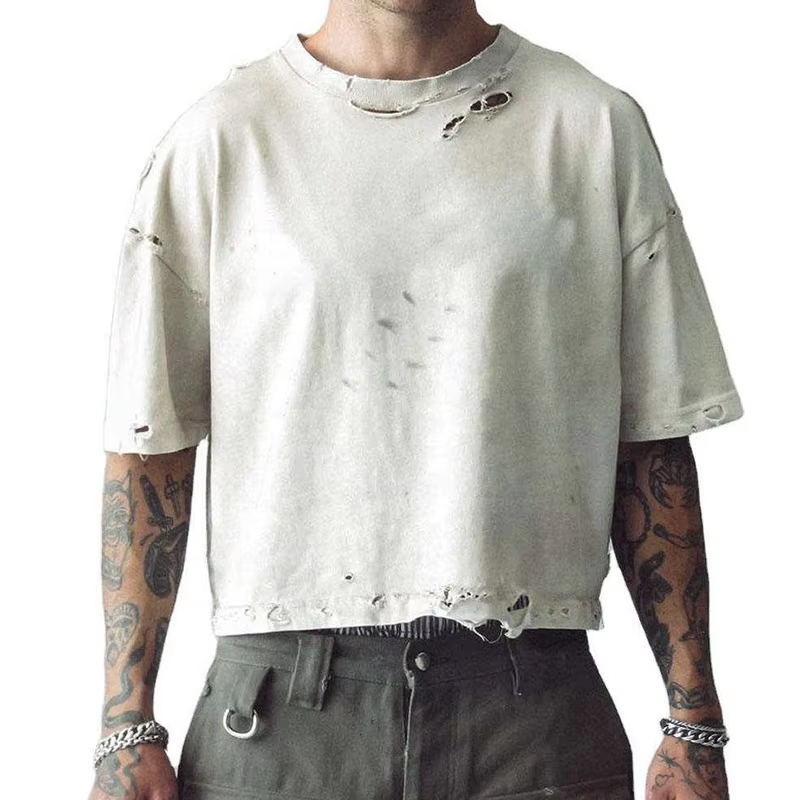
For example, a supplier that specializes in heavyweight vintage-washed tees and oversized streetwear silhouettes will produce those items far more competently than a general cut-and-sew operation with no particular category focus. When evaluating a clothing manufacturer supplier, always verify that their existing product portfolio genuinely reflects the type of garments your brand intends to sell.
Startups particularly benefit from working with a specialized supplier because the learning curve on the startup side is already steep. Pairing a new brand with a supplier that lacks category-specific expertise only compounds the risk of substandard samples, wasted development budgets, and missed launch windows.
Suitability for Startup Brands
Low Minimum Order Quantities and Flexibility
One of the most critical factors for a startup evaluating any clothing manufacturer supplier is the minimum order quantity, commonly referred to as MOQ. Startups typically lack the capital to commit to large production runs before they have validated market demand. A clothing manufacturer supplier that mandates thousands of units per colorway per style can be financially prohibitive for a brand just finding its footing.
Fortunately, many modern manufacturers have adapted to serve small brands by offering lower MOQs, especially in categories like blank and custom streetwear. This shift was driven largely by the rise of direct-to-consumer brand models that thrive on limited drops and small-batch exclusivity. When a clothing manufacturer supplier genuinely accommodates lower quantities without compromising quality standards, it becomes a viable and attractive option for emerging labels.
Beyond MOQ, startups also need flexibility in terms of design iterations. A new brand may go through multiple rounds of sample revisions before landing on a final product. A clothing manufacturer supplier that supports this iterative development process without charging prohibitive sampling fees or enforcing rigid revision limits is far more suitable for early-stage brands than one that operates on rigid, high-volume production lines.
Guidance, Communication, and Technical Support
Most startup founders are not apparel industry veterans. They may have a strong creative vision but limited knowledge of fabric weights, garment construction, wash treatments, or labeling regulations. In this context, the quality of communication and technical guidance that a clothing manufacturer supplier provides becomes just as important as their production capabilities.
A supplier that is responsive, transparent about lead times, and willing to educate new brand owners through the development process builds a foundation of trust that can sustain a long-term business relationship. Startups should actively assess this during initial conversations with any clothing manufacturer supplier. Ask specific questions about their sample process, how they handle design ambiguities, and what happens when a production batch does not meet expectations.
The willingness of a clothing manufacturer supplier to engage patiently with newer clients is often a strong indicator of how professionally the entire production process will be managed. Suppliers that only want to work with clients who already have perfect tech packs and years of industry experience are likely not optimized for startup partnerships.
Suitability for Established Brands
Scalability and Production Consistency
For established brands, the calculus changes significantly. A growing or mature apparel label needs a clothing manufacturer supplier that can scale production in line with commercial demand without compromising the quality consistency that loyal customers expect. The ability to replicate the same garment specifications across multiple production runs, seasons, and colorways is non-negotiable at this stage.
Production consistency is driven by a combination of rigorous quality control systems, experienced workforce management, and investment in machinery appropriate for the brand's product category. An established brand evaluating a new clothing manufacturer supplier should request batch-by-batch quality reports, visit the facility if possible, and thoroughly review the supplier's internal processes for managing color tolerances, measurement standards, and fabric consistency.
Scalability also means having sufficient capacity to handle seasonal volume spikes. A clothing manufacturer supplier that performs well on a 500-unit order may struggle when a brand needs to ramp up to 5,000 units for a major retail launch. Capacity planning conversations should happen early and honestly, with clear documentation of the supplier's maximum production bandwidth and lead time expectations at different volume levels.
Custom Development and Competitive Pricing Structures
Established brands also demand more sophisticated custom development capabilities from their clothing manufacturer supplier. This might include proprietary fabric blends, in-house embroidery or screen printing, custom hardware, private label packaging, or garment dyeing and wash treatments. The breadth and quality of these value-added services often differentiate a premium manufacturing partner from a commodity production house.
Pricing becomes more strategic for established brands as well. While a startup may prioritize accessing any manufacturer willing to work at a reasonable MOQ, a growing brand can negotiate more favorable per-unit pricing based on volume commitments, loyalty, and production predictability. A well-aligned clothing manufacturer supplier will welcome this type of structured commercial relationship because it benefits both parties.
Established brands should also assess the supplier's investment in sustainability practices, social compliance certifications, and transparent supply chain documentation, since retail buyers and end consumers increasingly scrutinize these dimensions. A clothing manufacturer supplier that can provide credible documentation in these areas adds measurable commercial value beyond simply producing quality garments.
Key Criteria for Evaluating a Clothing Manufacturer Supplier at Any Stage
Quality Standards and Sample Evaluation
Regardless of whether you represent a startup or an established label, the most direct way to evaluate a clothing manufacturer supplier is through sample quality. Always request physical samples before committing to any production order. Evaluate fabric hand-feel, stitching precision, seam strength, label placement, and how the garment holds up after multiple wash cycles. These physical tests reveal far more than any catalog description or supplier presentation.
Pay particular attention to how closely the production sample matches your approved design. Deviation in color, measurements, or construction details between the sample and final production is one of the most common and costly issues in garment sourcing. A trustworthy clothing manufacturer supplier will proactively flag potential deviations during the development phase rather than delivering a substandard bulk order and pointing to technical limitations after the fact.
Quality evaluation should also extend to packaging, labeling, and folding standards, especially if your brand sells through retail partners with specific vendor compliance requirements. Overlooking these details with a new clothing manufacturer supplier can create costly chargebacks and damaged retail relationships downstream.
Lead Times, Communication Channels, and Reliability
Operational reliability is the backbone of any productive relationship with a clothing manufacturer supplier. Lead time commitments, responsiveness to inquiries, and honesty about capacity constraints are all indicators of how a supplier will perform under real production pressure. Before entering a formal agreement, establish clear expectations around production timelines, revision windows, and delivery milestones.
Consistent communication is equally vital. A clothing manufacturer supplier that goes silent after receiving a deposit, requires repeated follow-up to get updates, or provides vague responses to direct questions about production progress is a serious operational risk. Strong suppliers maintain proactive communication protocols, provide regular production updates, and escalate potential delays before they become critical problems.
Whether you are a startup working with a small pilot order or an established brand managing complex seasonal production schedules, the reliability and transparency of your clothing manufacturer supplier will directly affect your ability to meet market commitments. Vet this dimension carefully through reference checks, trial orders, and direct conversations with the supplier's production management team before scaling the relationship.
FAQ
Can a startup work directly with a clothing manufacturer supplier without industry experience?
Yes, many clothing manufacturer supplier operations are specifically structured to support new brands with limited production experience. The key is to choose a supplier with strong technical support, willingness to guide you through the sampling process, and transparent communication. Starting with a small trial order is always advisable before committing to larger production volumes.
How do established brands benefit differently from a clothing manufacturer supplier compared to startups?
Established brands typically leverage a clothing manufacturer supplier for scalability, production consistency across large volumes, custom development services, and competitive pricing structures negotiated on volume commitments. Unlike startups, they usually arrive with precise tech packs and defined quality standards, shifting the supplier relationship toward execution reliability rather than development guidance.
What should I check before selecting a clothing manufacturer supplier for a custom product line?
You should evaluate sample quality, MOQ requirements, specialization in your product category, lead time commitments, communication responsiveness, pricing transparency, and the supplier's capacity to handle custom development requests such as fabric selection, wash treatments, or branded packaging. Requesting references from current clients is also a highly recommended step when assessing any clothing manufacturer supplier.
Is it possible to transition from one clothing manufacturer supplier to another as my brand grows?
Yes, and it is quite common for brands to transition to different clothing manufacturer supplier partners as their production needs evolve. A supplier well-suited for a startup's early small-batch needs may not have the capacity or specialization required as the brand scales. Planning this transition proactively, maintaining overlapping production relationships during the transition period, and thoroughly vetting the new supplier before fully switching are all best practices for managing this shift without disrupting your product availability.
Table of Contents
- Understanding What a Clothing Manufacturer Supplier Actually Offers
- Suitability for Startup Brands
- Suitability for Established Brands
- Key Criteria for Evaluating a Clothing Manufacturer Supplier at Any Stage
-
FAQ
- Can a startup work directly with a clothing manufacturer supplier without industry experience?
- How do established brands benefit differently from a clothing manufacturer supplier compared to startups?
- What should I check before selecting a clothing manufacturer supplier for a custom product line?
- Is it possible to transition from one clothing manufacturer supplier to another as my brand grows?