
 EN
EN


When brands, retailers, and entrepreneurs source apparel, one of the most critical questions they face is whether manufactures for clothing can truly support both OEM and ODM customization models. The short answer is yes — but the depth of that capability, the conditions that make it work, and the practical implications for your business are what truly matter. Understanding these nuances helps buyers make informed sourcing decisions rather than discovering limitations only after contracts are signed.
Manufactures for clothing operate across a wide spectrum of production capabilities. Some specialize in executing precise buyer-supplied specifications, while others maintain in-house design and development teams capable of building a garment from concept to finished product. This article explores what OEM and ODM services actually mean in the context of apparel production, how qualified manufacturers support both models, and what buyers should evaluate when choosing the right manufacturing partner for their customization needs.
Understanding OEM and ODM in Apparel Manufacturing
What OEM Means for Clothing Production
OEM, or Original Equipment Manufacturing, in the context of apparel refers to a model where the buyer provides the complete design, technical specifications, fabric requirements, and branding details. The manufacturer's role is to produce the garment exactly according to those instructions. Manufactures for clothing operating under the OEM model serve as skilled production partners rather than design contributors.
Under OEM arrangements, the brand retains full ownership of the design intellectual property. This model is ideal for established labels that already have in-house design teams and want precise, consistent execution of their creative vision. Manufactures for clothing with strong OEM capability typically excel in pattern accuracy, fabric sourcing compliance, quality control, and scalable production runs.
For buyers who want their exact logo placement, stitching details, wash treatments, and packaging executed faithfully, a manufacturer with proven OEM experience is essential. The more detailed and exacting the brief, the more important it becomes to work with manufactures for clothing that have experience interpreting and executing complex tech packs.
What ODM Means for Clothing Production
ODM, or Original Design Manufacturing, involves the manufacturer contributing to or fully developing the product design before the buyer applies their branding. In this model, manufactures for clothing maintain their own design libraries, sample collections, and development infrastructure. Buyers select from existing styles or work collaboratively with the manufacturer's team to adapt designs to their market needs.
ODM is particularly valuable for emerging brands, private label retailers, and companies entering new product categories without dedicated design departments. The manufacturer provides the creative and technical groundwork, significantly reducing the buyer's development costs and time-to-market. Manufactures for clothing offering robust ODM services often have trend research capabilities, material sourcing networks, and prototype development workflows already in place.
It is worth noting that under ODM, the design may be shared across multiple buyers unless exclusivity is negotiated. Savvy buyers working with manufactures for clothing under an ODM model should clarify ownership rights and exclusivity terms early in the conversation to protect their brand differentiation.
How Manufactures for Clothing Support Both Models Simultaneously
Dual-Mode Production Infrastructure
Many experienced manufactures for clothing have evolved to support both OEM and ODM within the same facility. This dual capability is not accidental — it reflects deliberate investment in design talent, sample rooms, technical documentation systems, and flexible production lines. A manufacturer that can switch between executing a buyer's detailed tech pack and developing a new style from scratch demonstrates genuine versatility.
This dual-mode capability matters for growing brands. A company may begin its relationship with a manufacturer through ODM, using existing styles to launch quickly, and then transition to OEM as their in-house design capabilities mature. Manufactures for clothing that support both models allow clients to evolve their strategy without changing production partners, preserving institutional knowledge and quality consistency over time.
The infrastructure required includes sample development rooms, skilled pattern makers, grading and marking software, fabric sourcing contacts, and wash and treatment facilities. Manufactures for clothing operating at this level invest continuously in both human expertise and physical equipment to maintain competitive customization capability.
Customization Depth Across Fabric, Fit, and Finish
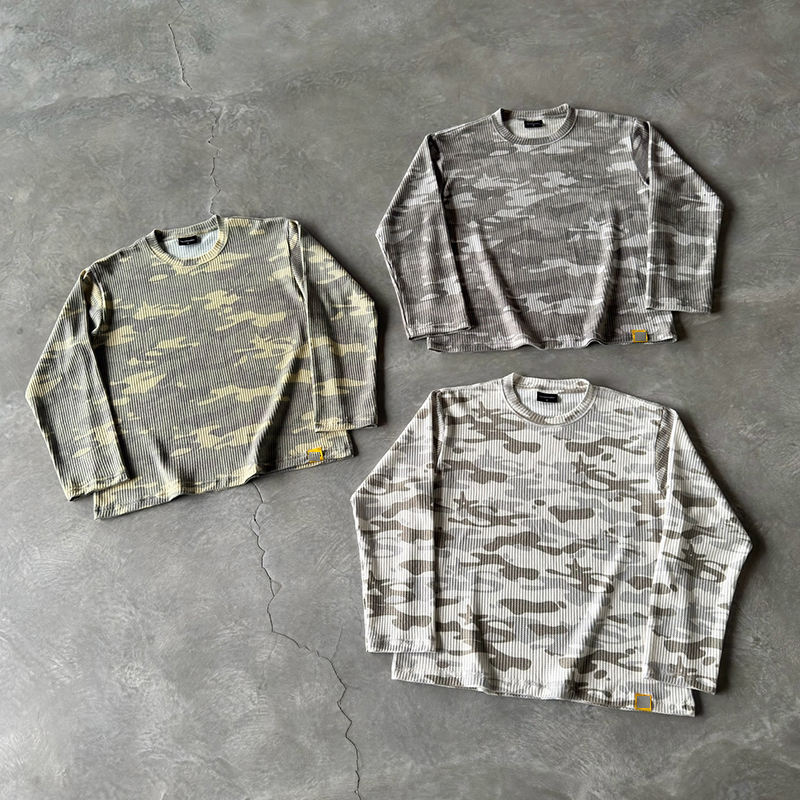
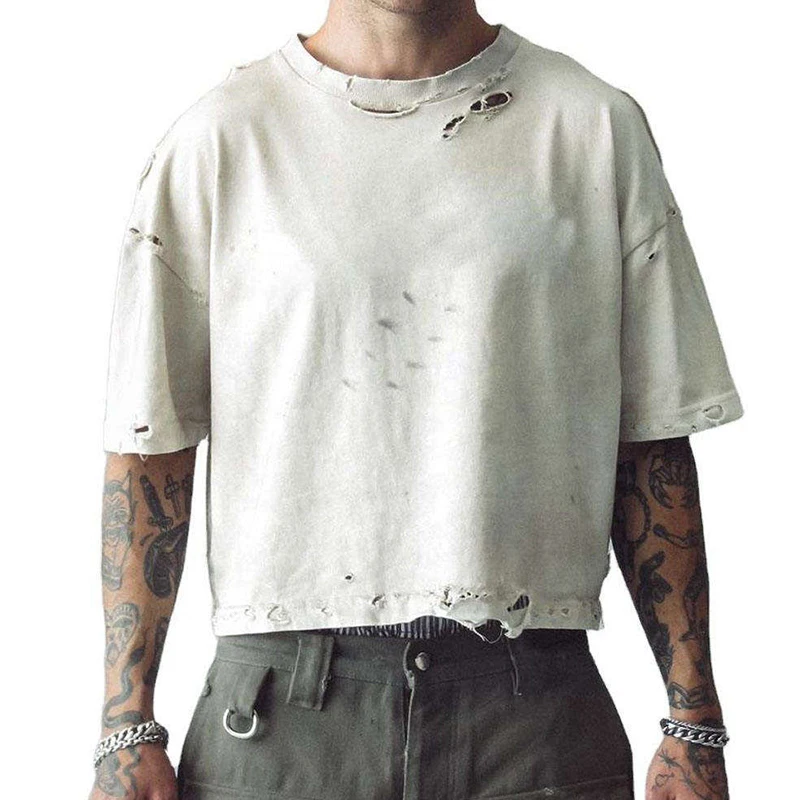
Whether working under OEM or ODM, the real value of manufactures for clothing lies in how deeply they can customize a garment. This encompasses fabric weight and composition, fit and silhouette adjustments, dyeing and washing techniques, embroidery and print placement, label and packaging design, and specialty treatments such as distressing or vintage washing.
For heavyweight streetwear or oversized boxy tees, for example, manufactures for clothing must manage fabric weight tolerance, garment dye consistency, and structural integrity through multiple wash processes. These are not trivial production challenges. A manufacturer with genuine customization expertise will have established processes for each variable rather than treating them as exceptions.
Buyers should request detailed samples at multiple stages of development, including pre-production samples and size-set samples. This practice, standard among experienced manufactures for clothing, ensures that the customization vision is correctly interpreted before bulk production begins, reducing costly corrections at scale.
Key Factors That Determine Manufacturer Customization Capability
In-House vs. Outsourced Design and Development
One of the most important distinctions among manufactures for clothing is whether design and development functions are handled in-house or outsourced. In-house capability means faster iteration cycles, better communication, and tighter quality control. Outsourced design dependencies introduce delays, translation errors, and accountability gaps that can undermine the customization process.
When evaluating manufactures for clothing, buyers should ask specific questions about where pattern making, grading, tech pack development, and sample production take place. Manufacturers who own these functions can offer true OEM and ODM services. Those who rely heavily on third-party design studios may struggle to deliver consistent customization quality, particularly for complex styles.
The presence of dedicated development teams also signals a manufacturer's commitment to long-term client relationships. Manufactures for clothing that invest in internal design infrastructure are oriented toward partnership rather than transactional production, which tends to produce better outcomes for brands seeking meaningful customization.
Minimum Order Quantities and Their Impact on Customization Access
Customization services from manufactures for clothing are typically associated with minimum order quantity requirements. While this varies significantly across manufacturers, the economics of custom development — sampling costs, material procurement, setup time — mean that very low quantities often restrict the depth of customization available. Understanding this relationship helps buyers set realistic expectations.
Some manufactures for clothing have adapted their production models to support smaller runs for custom styles, particularly in response to demand from independent brands and direct-to-consumer labels. These manufacturers often use more flexible production scheduling, shared material sourcing, and modular development processes to make customization accessible at lower quantities.
Buyers launching new styles or testing market response may find that ODM models with moderate customization options are more accessible at lower MOQs, while fully bespoke OEM production becomes more economical at higher volumes. Experienced manufactures for clothing will be transparent about these thresholds and help buyers plan accordingly.
Branding Integration in OEM and ODM Apparel Orders
Label, Packaging, and Brand Identity Execution
Regardless of whether a buyer chooses OEM or ODM, branding integration is a core part of what manufactures for clothing must deliver. This includes woven neck labels, hang tags, care labels, custom packaging, polybag printing, and any retail-ready presentation requirements. The garment itself may be excellent, but brand presentation extends to every touchpoint the end consumer encounters.
Manufactures for clothing with strong OEM capability understand that brand standards are non-negotiable. Label placement must be consistent, logo proportions must be accurate, and packaging materials must meet the buyer's specification. Any deviation creates a brand inconsistency that undermines the investment in customization. This is why buyers should review branding execution specifically during sample evaluation, not just the garment itself.
In ODM arrangements, manufactures for clothing typically provide a base style that the buyer then brands as their own. The manufacturer's role in this context includes stripping any house branding from the base design and applying the buyer's identity elements seamlessly. The result should look and feel like a product that originated entirely from the buyer's brand, with no trace of a shared or generic origin.
Exclusivity Agreements and IP Protection
A legitimate concern for any brand working with manufactures for clothing under an ODM model is design exclusivity. If the same base style is sold to multiple buyers in overlapping markets, the buyer's differentiation is compromised. Serious manufactures for clothing address this by offering exclusivity agreements that restrict the sale of a given style — with or without modification — to other buyers in defined territories or categories.
Under OEM, intellectual property protection is more straightforward since the buyer owns the design outright. However, even in OEM relationships, buyers should use non-disclosure agreements and clarify confidentiality terms regarding proprietary patterns, fit specifications, and brand-specific production methods. Manufactures for clothing operating professionally will have standard NDA frameworks and be comfortable discussing IP protection as part of the commercial relationship.
Long-term partnerships with manufactures for clothing often develop informal exclusivity through accumulated product knowledge and institutional familiarity. Manufacturers who have produced dozens of styles for a brand develop an understanding of that brand's aesthetic and quality standards that cannot easily be replicated, providing de facto protection even beyond formal agreements.
Evaluating a Clothing Manufacturer's Customization Readiness
Questions to Ask Before Committing
Before entering a formal relationship with manufactures for clothing, buyers should conduct a structured evaluation of customization capability. Key questions include: Does the manufacturer have an in-house sample room? What is the standard sample development timeline? Can they produce and interpret tech packs? What wash and treatment processes do they operate internally? What is the minimum order quantity for fully custom styles?
Requesting samples of past custom work — particularly from other clients under both OEM and ODM arrangements — provides tangible evidence of what the manufacturer can deliver. Manufactures for clothing confident in their customization capabilities will welcome this due diligence rather than deflect it. Poor-quality samples or reluctance to share reference work are early warning signs.
Communication responsiveness and technical fluency during initial discussions also reveal a great deal. Manufactures for clothing with genuine OEM and ODM capability will engage substantively with technical questions, offer proactive suggestions, and demonstrate familiarity with the specific product category being discussed rather than giving vague or generic answers.
Red Flags and Common Pitfalls in Customization Claims
Not every manufacturer that claims to offer OEM and ODM services delivers meaningful customization. Some manufactures for clothing use these terms loosely to mean little more than adding a private label to a stock garment. Buyers should distinguish between genuine development capability and superficial branding overlay by asking for specifics about what can and cannot be changed in a given style.
Overpromising at the quoting stage followed by quality or specification issues at production is a pattern to watch for. Manufactures for clothing with strong reputations are honest about their capabilities and limitations from the start. If a manufacturer agrees to every customization request without any technical pushback or qualification, this may indicate they are overpromising rather than genuinely assessing feasibility.
Buyers should also be cautious about manufacturers who do not use formal sampling stages or who rush directly to bulk production. Established manufactures for clothing follow structured development workflows precisely because skipping steps in customization projects increases error rates and reduces the buyer's ability to course-correct before significant production investment is made.
FAQ
Can manufactures for clothing handle both OEM and ODM on the same order?
Yes, in many cases manufactures for clothing can apply OEM logic to certain elements of a style — such as custom-designed fabric or a proprietary fit — while using ODM infrastructure for development support and styling guidance. Hybrid approaches are common when brands want to accelerate development while still protecting key design elements. Clear communication about which aspects are buyer-driven and which are manufacturer-supported is essential to managing this effectively.
How do I know if a clothing manufacturer truly offers ODM or just private label?
True ODM involves the manufacturer having original design capability — pattern development, styling, fit testing — rather than simply relabeling a stock item. Ask manufactures for clothing to show you their development process, introduce you to their design team, and share examples of styles developed specifically for clients. If the manufacturer can only change labels and colors on catalog items, that is private label, not genuine ODM.
What is a typical timeline for OEM customization with manufactures for clothing?
Timelines vary based on complexity, but a typical OEM customization cycle with manufactures for clothing includes design submission, proto sampling (two to four weeks), feedback and revision, pre-production sampling (two to three weeks), approval, and bulk production (four to eight weeks depending on volume). Wash and treatment processes can add additional time. Planning for a total development-to-delivery window of twelve to sixteen weeks is prudent for complex custom styles.
Do manufactures for clothing charge extra for OEM or ODM customization services?
Customization services typically involve development costs — including sampling fees, pattern making charges, and sometimes tooling costs for custom hardware or labels — that are separate from the per-unit production cost. Manufactures for clothing may absorb some of these costs at higher order volumes or waive them for long-term clients. Buyers should request a full cost breakdown that separates development fees from production unit pricing to accurately assess the total investment in a custom program.
Table of Contents
- Understanding OEM and ODM in Apparel Manufacturing
- How Manufactures for Clothing Support Both Models Simultaneously
- Key Factors That Determine Manufacturer Customization Capability
- Branding Integration in OEM and ODM Apparel Orders
- Evaluating a Clothing Manufacturer's Customization Readiness
-
FAQ
- Can manufactures for clothing handle both OEM and ODM on the same order?
- How do I know if a clothing manufacturer truly offers ODM or just private label?
- What is a typical timeline for OEM customization with manufactures for clothing?
- Do manufactures for clothing charge extra for OEM or ODM customization services?