
 EN
EN


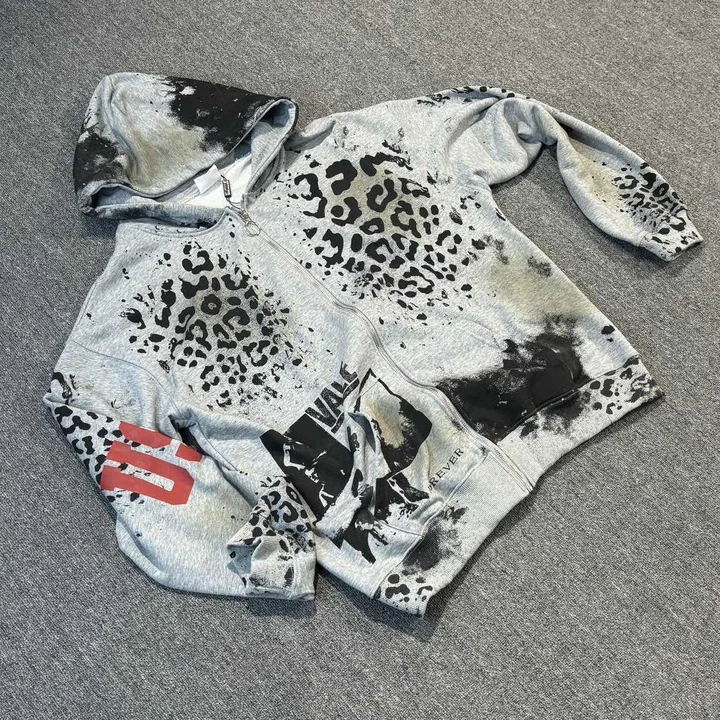
The evolution of mens clothing over the past decade tells a story far more nuanced than shifting hemlines or changing color palettes. It reflects a deep and ongoing transformation in how men think about comfort, identity, self-expression, and the boundaries between work and leisure. As consumer expectations have shifted dramatically, the mens clothing industry has responded not just with new silhouettes, but with entirely new design philosophies. Understanding this relationship between consumer demand and apparel development is essential for brands, retailers, and buyers operating in today's fast-moving casual fashion market.
Today's male consumer is no longer satisfied with garments that simply cover and conform. He seeks pieces that communicate his lifestyle, align with his values, and provide genuine functionality without sacrificing visual appeal. This shift has fundamentally reshaped the mens clothing landscape, pushing casual fashion to the forefront of product development and retail strategy. Brands that recognize this momentum are investing in silhouettes, fabrics, and styling concepts that would have seemed unconventional just a generation ago — and the market is rewarding them for it.
The Rise of Casual as the Default Mode in Mens Clothing
From Formal Dominance to Everyday Comfort
For most of the twentieth century, mens clothing was structured around formality as the baseline. Suits, collared shirts, and tailored trousers dominated professional and social environments alike. Casual wear existed, but it occupied a clearly subordinate role — reserved for weekends and relaxed settings. This hierarchy began to crack as workplace cultures loosened and social expectations around dress evolved.
The casual revolution in mens clothing accelerated with the rise of tech-driven work culture, which normalized comfortable, expressive attire even in professional environments. Consumers began expecting their everyday garments to perform across multiple contexts — from a coffee shop meeting to an evening gathering — without requiring a wardrobe change. This demand for versatile, comfort-led pieces directly shaped what manufacturers and designers began prioritizing in their collections.
The result is a market where casual mens clothing is no longer a subcategory but the primary category. Brands that invested early in premium casual design — elevated hoodies, structured sweatpants, and relaxed-fit outerwear — found themselves at the center of a massive consumer shift rather than on its periphery.
Streetwear as a Cultural Signal
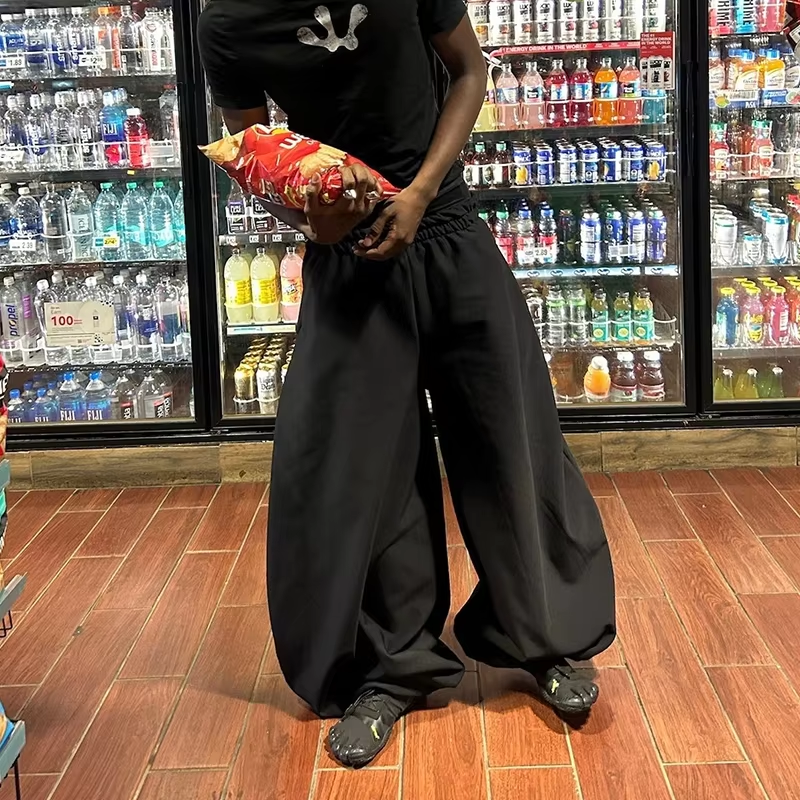
Streetwear has played a defining role in reshaping the meaning of casual mens clothing. Originally rooted in skate, hip-hop, and urban subcultures, streetwear vocabulary has migrated into mainstream fashion with remarkable speed. Oversized silhouettes, wide-leg trousers, graphic-heavy layering, and relaxed tailoring are now standard in the vocabulary of contemporary mens clothing design.
This cultural migration is not merely aesthetic — it reflects a generational change in how male consumers relate to fashion as a form of identity communication. Younger consumers in particular use mens clothing choices to signal social affiliation, values, and cultural awareness. Streetwear, with its emphasis on authenticity and subcultural credibility, provides exactly the kind of expressive platform these consumers are seeking.
For B2B buyers and retail brands, this trend signals a long-term structural shift rather than a passing phase. The demand for streetwear-influenced mens clothing continues to grow across age groups and geographies, creating sustained commercial opportunity for manufacturers that can deliver authentic, well-constructed pieces at competitive price points.
Key Consumer Demand Drivers Reshaping Mens Clothing Design
Comfort as a Non-Negotiable Feature
Perhaps the most universal driver of change in mens clothing is the consumer demand for comfort. This is not a trend in the conventional sense — it is a fundamental reset of expectations. Consumers who experienced extended periods of working from home and increased leisure time during recent years recalibrated their relationship with garments. Restrictive waistbands, stiff fabrics, and structured silhouettes lost their appeal when comfort became the daily norm.
Modern mens clothing design reflects this recalibration through a widespread adoption of soft, breathable, and flexible materials. Fabrics like cotton-blend fleece, French terry, and technical knits have become central to casual collections precisely because they deliver the softness and ease of movement that today's consumer demands. The success of categories like mens clothing featuring wide-leg, drapey, and oversized fits is a direct product of this comfort-first mindset.
Brands and manufacturers that treat comfort as the foundation of their design process — rather than a secondary consideration — are consistently outperforming those that prioritize aesthetics alone. The commercial evidence is clear: comfortable mens clothing sells, retains customers, and generates repeat purchasing behavior at higher rates than purely trend-driven pieces.
Fit Philosophy and the Shift Toward Relaxed Silhouettes
The evolution of fit preference in mens clothing is one of the most visible markers of changing consumer demand. The slim-fit era that dominated men's fashion for over a decade has gradually given way to a broader aesthetic embrace of relaxed, baggy, and oversized silhouettes. This shift is not simply about aesthetics — it is deeply connected to how consumers want to feel in their clothes.
Wide-leg trousers, stacked sweatpants, and boxy tops represent a rejection of the idea that mens clothing should constrain the body in service of a particular silhouette. Instead, contemporary casual consumers want garments that move with them, accommodate diverse body types, and provide a sense of ease that slim-fit constructions simply cannot deliver at the same level.
This preference for relaxed fits has significant implications for product development in mens clothing. Pattern construction, grading systems, and fabric drape become more complex and more important when creating oversized or wide-leg pieces that still look intentional and well-designed rather than ill-fitting. Manufacturers that master this balance are finding strong demand from retailers catering to fashion-conscious male consumers.
How Retail and Production Models Are Adapting to Mens Clothing Demand
Customization and Private Label Growth
The growing demand for distinctive mens clothing has accelerated the growth of private label and customization-focused production models. Retailers and brands increasingly want exclusive designs that differentiate their offerings from mass-market competitors. This has driven significant demand for manufacturers capable of delivering custom colorways, branded hardware, unique fabric treatments, and proprietary fits under flexible minimum order conditions.
For casual mens clothing specifically, customization often centers on silhouette modification, fabric selection, and print or embroidery placement. A retailer selling streetwear-inspired sweatpants, for example, may require specific stacking dimensions, a particular leg-opening width, or a distinctive waistband style that sets their product apart from generic alternatives. These details matter enormously to the end consumer and drive purchasing decisions at the retail level.
Manufacturers that invest in flexible production infrastructure and maintain strong communication with their B2B clients throughout the customization process are best positioned to capture this growing segment of the mens clothing market. The ability to respond quickly to trend signals and deliver well-executed custom pieces at speed is increasingly a core competitive advantage.
Sustainability as a Purchasing Criterion
Consumer demand in mens clothing is increasingly shaped by sustainability awareness. Male consumers, particularly in younger demographics, are demonstrating growing preference for brands and products that can demonstrate responsible sourcing, ethical production, and reduced environmental impact. This is no longer a fringe concern — it is becoming a mainstream purchasing criterion that affects buying decisions across casual fashion categories.
For mens clothing manufacturers and retail buyers, this means that sustainability credentials are moving from marketing differentiator to market entry requirement. Buyers sourcing casual mens clothing for conscious retail channels are routinely asking questions about fabric certification, factory conditions, and carbon footprint. Suppliers that can provide credible, documented answers to these questions are gaining preferred vendor status over those that cannot.
The practical implication for product development is that sustainable materials — organic cotton, recycled polyester, low-impact dyes — need to be integrated into casual mens clothing collections without compromising the comfort and aesthetic qualities that drive consumer purchase. This is a genuine design and sourcing challenge, but one that forward-looking manufacturers are actively solving.
The Role of Retro Aesthetic and Cultural Nostalgia in Mens Clothing
Vintage References as a Design Language
One of the most commercially significant trends in contemporary casual mens clothing is the resurgence of retro aesthetics. Garments referencing the design language of the 1980s and 1990s — wide legs, earthy color palettes, oversized proportions, and utilitarian detailing — have found enormous resonance with consumers across age groups. This is not simple nostalgia; it is a deliberate rejection of the minimalism that dominated men's fashion in the 2010s.
Retro-influenced mens clothing appeals to consumers precisely because it feels distinct from contemporary fast fashion. The references to earlier eras carry connotations of authenticity, cultural depth, and individual style that mass-produced trend pieces cannot easily replicate. For brands building a casual wardrobe story, incorporating vintage-inspired silhouettes and colorways into their mens clothing collections provides a powerful point of difference.
Manufacturers producing retro-influenced casual mens clothing need to pay particular attention to the details that make these references credible. Stitching weights, waistband construction, fabric texture, and color accuracy all contribute to whether a piece reads as genuinely vintage-inspired or merely as a surface-level trend imitation. The consumer market is sophisticated enough to distinguish between the two.
The Intersection of Nostalgia and Modern Performance
Interestingly, the most successful retro-influenced mens clothing does not simply replicate past styles — it reinterprets them through a modern performance and comfort lens. Wide-leg sweatpants inspired by 1990s athletic wear, for example, perform best commercially when they combine the vintage silhouette with contemporary fabric technology, improved construction, and updated sizing standards that reflect today's consumer expectations.
This fusion of nostalgia and modern functionality is a sophisticated design challenge that separates capable manufacturers from commodity producers. The consumer buying retro-influenced mens clothing wants the feeling and visual language of a past era delivered with the quality, fit, and comfort of a well-made contemporary garment. Meeting both expectations simultaneously requires genuine product development expertise.
For B2B buyers sourcing retro-aesthetic casual mens clothing, this means working closely with manufacturers who understand both the historical design references and the modern technical requirements. The result, when executed well, is a product that resonates deeply with the target consumer and commands premium positioning at retail.
FAQ
How has the definition of casual style in mens clothing changed over recent years?
Casual style in mens clothing has evolved from a narrow category of weekend wear into a broad, design-driven segment that encompasses everything from relaxed streetwear to elevated leisure pieces. The definition now includes wide-leg trousers, premium sweatpants, oversized outerwear, and comfort-focused basics that can be styled across multiple social and professional contexts. The boundary between casual and smart-casual has blurred significantly, reflecting how men's daily routines and dressing habits have changed.
Why are oversized and wide-leg silhouettes so dominant in current mens clothing trends?
Oversized and wide-leg silhouettes dominate current mens clothing trends because they align with the comfort-first consumer mindset that has become the market standard. These silhouettes allow freedom of movement, accommodate diverse body types, and communicate a relaxed confidence that resonates with contemporary male consumers. They also draw on streetwear and retro aesthetic traditions that carry strong cultural credibility in the current fashion landscape.
What should B2B buyers look for when sourcing casual mens clothing from manufacturers?
B2B buyers sourcing casual mens clothing should prioritize manufacturers that demonstrate expertise in fabric selection, silhouette construction, and customization capability. Key evaluation criteria include the ability to execute complex fits accurately, consistency of quality across production runs, responsiveness to design briefs, and transparency regarding sourcing and production practices. Buyers building private label casual ranges should also assess the manufacturer's familiarity with current trend directions in mens clothing and their capacity to translate retail briefs into commercially viable products.
How does consumer demand for sustainability affect mens clothing production?
Consumer demand for sustainability is increasingly influencing mens clothing production at every level, from material sourcing to manufacturing processes to packaging. Buyers and retailers are incorporating sustainability requirements into their sourcing criteria, and manufacturers that can meet these requirements with documented evidence are gaining competitive advantage. For casual mens clothing specifically, the challenge is integrating sustainable materials without compromising the comfort, drape, and durability that consumers expect from everyday garments.
Table of Contents
- The Rise of Casual as the Default Mode in Mens Clothing
- Key Consumer Demand Drivers Reshaping Mens Clothing Design
- How Retail and Production Models Are Adapting to Mens Clothing Demand
- The Role of Retro Aesthetic and Cultural Nostalgia in Mens Clothing
-
FAQ
- How has the definition of casual style in mens clothing changed over recent years?
- Why are oversized and wide-leg silhouettes so dominant in current mens clothing trends?
- What should B2B buyers look for when sourcing casual mens clothing from manufacturers?
- How does consumer demand for sustainability affect mens clothing production?