
 EN
EN



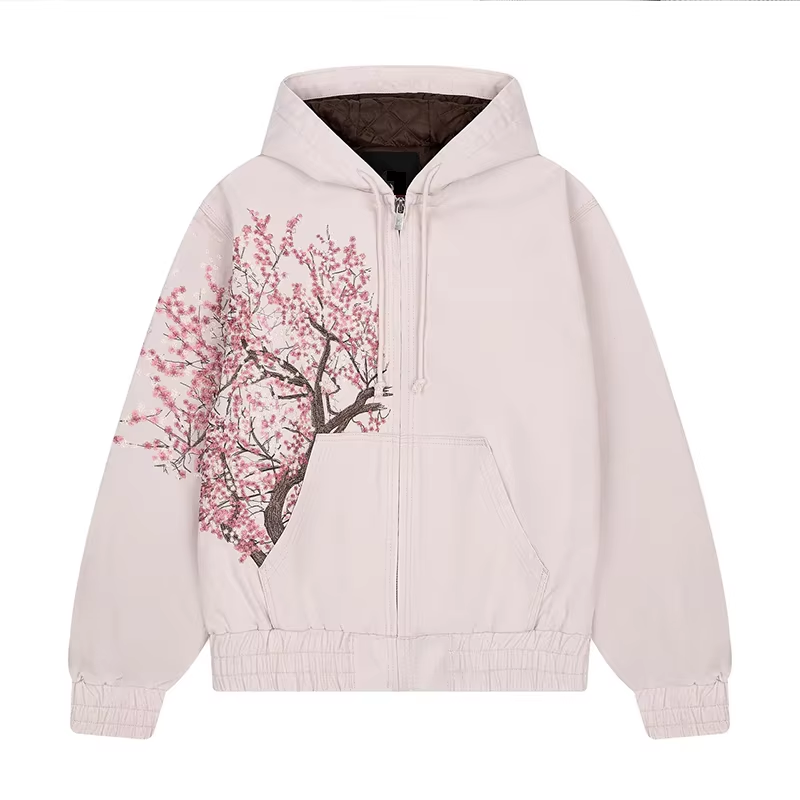
The vintage zip up hoodie has become one of the most recognizable symbols of retro-inspired streetwear, bridging the gap between nostalgic fashion references and contemporary urban style. What was once a utilitarian garment worn for warmth and comfort has evolved into a carefully curated statement piece that communicates cultural identity, era-specific aesthetics, and a deliberate rejection of fast-fashion minimalism. Understanding how this garment reflects retro streetwear aesthetics requires looking closely at its design language, its cultural roots, and the way modern consumers are reclaiming the visual codes of past decades.
From Y2K-era graphics to cherry blossom embroidery and oversized silhouettes, the vintage zip up hoodie carries a rich visual vocabulary that speaks directly to the aesthetics of the late 1990s and early 2000s. Today, streetwear enthusiasts, fashion-forward buyers, and B2B apparel brands alike are investing in this style because it resonates with a generation that values authenticity, craftsmanship, and cultural storytelling through clothing. This article explores exactly how the vintage zip up hoodie channels retro-inspired streetwear aesthetics and why that connection is so powerful in today's market.
The Visual DNA of Retro Streetwear in a Vintage Zip Up Hoodie
Silhouette and Proportion as Aesthetic Signals
One of the most immediate ways a vintage zip up hoodie communicates retro aesthetics is through its silhouette. Unlike the slim-fit, body-conscious cuts that dominated mainstream fashion in the 2010s, retro-inspired hoodies favor relaxed, boxy, or slightly oversized proportions. This silhouette is a direct visual reference to the way hoodies were worn in the 1990s and early 2000s, when layering and comfort-first dressing defined street culture.
The dropped shoulder seam, the wide chest, and the slightly elongated body of a vintage zip up hoodie are not accidental design choices. They are deliberate aesthetic signals that place the garment within a specific cultural and temporal context. When a wearer puts on a hoodie with these proportions, they are visually aligning themselves with a streetwear tradition that values ease, attitude, and a certain nonchalant confidence.
For B2B buyers sourcing apparel for streetwear-oriented brands, understanding silhouette as an aesthetic signal is critical. The proportion of a vintage zip up hoodie is often the first thing a consumer notices, and it sets the tone for how all other design elements — graphics, fabric, hardware — will be interpreted.
Color Palettes Rooted in Nostalgia
Retro streetwear aesthetics are deeply tied to specific color sensibilities. The vintage zip up hoodie typically draws from muted, washed-out tones — faded blacks, dusty grays, earthy browns, and desaturated pastels — that evoke the look of garments that have been worn, washed, and lived in over time. These colors feel authentic rather than manufactured, which is precisely why they resonate with consumers who are drawn to retro aesthetics.
At the same time, certain vintage zip up hoodie designs incorporate bolder color blocking or tonal contrasts that reference the graphic energy of Y2K fashion. The interplay between subdued base tones and accent colors — whether in the zipper hardware, the ribbed cuffs, or embroidered details — creates a visual complexity that feels layered and intentional rather than flat or commercial.
Color is one of the most powerful tools in retro streetwear design, and the vintage zip up hoodie uses it to communicate era, mood, and cultural affiliation simultaneously. For brands developing collections in this space, color palette decisions are as strategically important as graphic or silhouette choices.
Embroidery, Graphics, and Surface Detail as Retro Storytelling
The Role of Embroidery in Vintage Aesthetic Expression
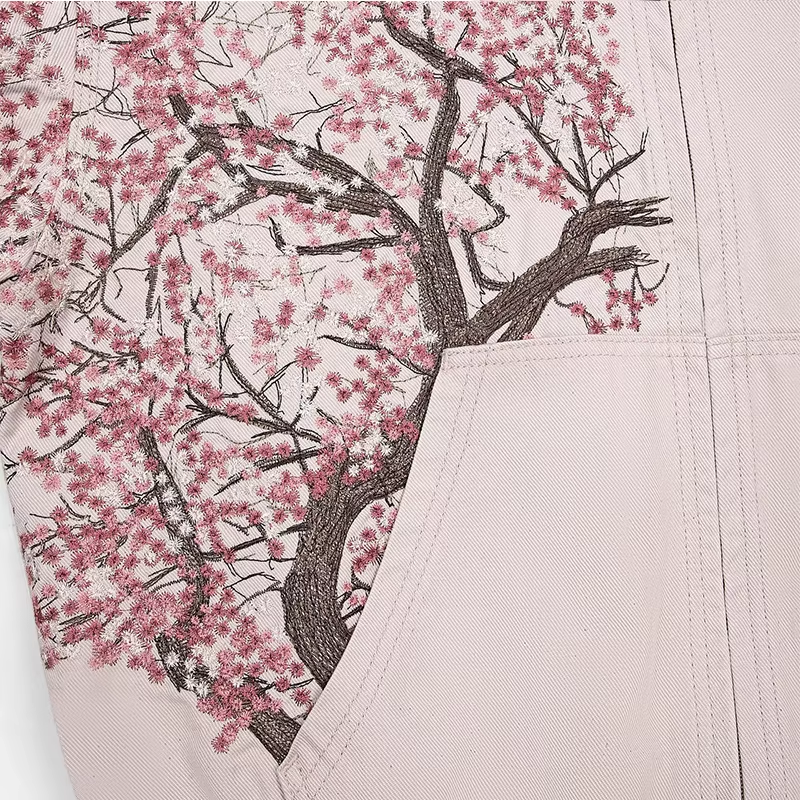
Surface decoration is where the vintage zip up hoodie most explicitly tells its retro story. Embroidery, in particular, has become a defining feature of retro-inspired streetwear because it references a craft tradition that predates digital printing and mass production. When a vintage zip up hoodie features cherry blossom embroidery, cross-stitch motifs, or heritage-inspired patches, it is drawing on a visual language that feels handmade, considered, and culturally specific.
Cherry blossom embroidery, for example, carries dual cultural resonance. It references the influence of Japanese street fashion — particularly the Harajuku aesthetic that was enormously influential in early 2000s global streetwear — while also evoking themes of transience, beauty, and natural cycles that give the garment a poetic dimension beyond pure style. A vintage zip up hoodie with this kind of embroidery is not just a fashion item; it is a wearable cultural reference.
For B2B apparel manufacturers and brand developers, embroidery quality and placement on a vintage zip up hoodie are critical differentiators. The density of the stitch, the accuracy of the color matching, and the positioning of the motif all affect how authentically the garment communicates its retro aesthetic. Poorly executed embroidery undermines the entire visual narrative the hoodie is trying to tell.
Graphics, Prints, and the Y2K Visual Language
Beyond embroidery, the vintage zip up hoodie often incorporates graphic elements that are directly drawn from Y2K visual culture. This includes bold typographic treatments, distressed screen prints, faded logo placements, and imagery that references early internet culture, skate graphics, or music subcultures of the late 1990s and early 2000s. These graphics function as cultural timestamps, immediately signaling the era the garment is referencing.
The deliberate use of distressing techniques — cracked prints, faded dye treatments, worn-edge effects — on a vintage zip up hoodie reinforces the sense that the garment has a history. Even when a hoodie is brand new, these techniques create the visual impression of age and authenticity, which is central to the retro streetwear aesthetic. Consumers are not just buying a hoodie; they are buying into a narrative of lived experience.
For brands operating in the B2B streetwear space, graphic development for a vintage zip up hoodie requires a deep understanding of the specific subcultures and visual references that resonate with target consumers. Generic retro graphics feel hollow; specific, culturally grounded imagery creates genuine connection and brand loyalty.
Hardware, Construction, and the Zipper as a Design Element
Why the Zipper Defines the Vintage Zip Up Hoodie Aesthetic
The zipper is not merely a functional component of a vintage zip up hoodie — it is a central aesthetic element that contributes significantly to the garment's retro character. Heavy-gauge metal zippers with antique brass or gunmetal finishes reference the hardware aesthetics of workwear and military surplus clothing, both of which were major influences on 1990s streetwear. The weight and texture of the zipper pull, the sound it makes, and the way it sits against the fabric all contribute to the sensory experience of wearing a vintage zip up hoodie.
In contrast to the lightweight plastic zippers common in fast-fashion hoodies, the hardware on a well-constructed vintage zip up hoodie communicates durability, quality, and intentionality. This is a garment designed to last, to develop character over time, and to be worn repeatedly rather than discarded after a season. That philosophy is deeply aligned with the values of retro streetwear culture, which prizes authenticity and longevity over disposability.
For B2B buyers evaluating vintage zip up hoodie suppliers, zipper quality is a non-negotiable specification. The hardware must be consistent with the overall aesthetic direction of the garment, and it must meet the durability standards that consumers in the premium streetwear segment expect.
Fabric Weight and Texture as Retro Authenticity Markers
The fabric of a vintage zip up hoodie plays an equally important role in communicating retro aesthetics. Heavyweight fleece, brushed cotton, and French terry constructions all reference the material culture of pre-fast-fashion garment production, when hoodies were built to withstand years of wear. The tactile experience of a thick, substantial vintage zip up hoodie is itself a form of aesthetic communication — it tells the wearer and observer that this is a serious garment with real substance.
Fabric treatments that enhance the vintage aesthetic — enzyme washing, garment dyeing, and pigment overdyeing — give a vintage zip up hoodie the soft, slightly irregular surface quality that distinguishes it from mass-produced alternatives. These treatments create subtle variations in color and texture that make each garment feel unique, reinforcing the handcrafted, artisanal dimension of retro streetwear aesthetics.
When sourcing a vintage zip up hoodie for a streetwear brand, fabric specification is as important as design. The weight, hand feel, and surface treatment of the fabric must align with the retro aesthetic the brand is communicating, and they must deliver the durability and comfort that consumers in this segment demand.
Cultural Context and the Retro Streetwear Revival
Why Retro Aesthetics Are Driving Streetwear Demand Now
The current resurgence of interest in the vintage zip up hoodie is not happening in a cultural vacuum. It is part of a broader retro revival that is reshaping streetwear, driven by generational nostalgia, a reaction against algorithmic trend cycles, and a growing consumer preference for garments with cultural depth and visual specificity. Millennials and older Gen Z consumers who grew up during the Y2K era are now in their prime spending years, and they are actively seeking out clothing that references the aesthetic world of their formative experiences.
At the same time, younger consumers who did not experience the Y2K era firsthand are drawn to its aesthetics precisely because they feel distinct from the homogenized visual culture of social media fashion. The vintage zip up hoodie offers a way to participate in a style tradition that feels authentic, subcultural, and resistant to mainstream co-optation — even as it becomes increasingly mainstream itself.
For B2B brands and manufacturers, this cultural context is essential market intelligence. The vintage zip up hoodie is not just a product trend; it is a cultural phenomenon with real staying power, driven by deep consumer motivations that go beyond seasonal fashion cycles.
Streetwear Subcultures and the Vintage Zip Up Hoodie
The vintage zip up hoodie has always been a garment that crosses subcultural boundaries. It has roots in skate culture, hip-hop fashion, Japanese street style, and workwear heritage, and its retro revival draws on all of these traditions simultaneously. This cross-subcultural appeal is one of the reasons the vintage zip up hoodie has such broad market relevance — it can be styled and positioned to speak to multiple consumer communities without losing its core aesthetic identity.
Skate-influenced vintage zip up hoodie designs tend to emphasize graphic boldness, distressed finishes, and a certain studied carelessness in proportion. Hip-hop-influenced versions lean into oversized silhouettes, premium fabric weights, and statement hardware. Japanese streetwear-influenced designs, like those featuring cherry blossom embroidery, bring a more refined, detail-oriented sensibility that elevates the garment into near-luxury territory.
Understanding which subcultural tradition a vintage zip up hoodie is drawing from — and communicating that clearly through design, marketing, and product positioning — is essential for B2B brands that want to build genuine credibility in the streetwear market rather than simply chasing a trend.
FAQ
What makes a hoodie qualify as a vintage zip up hoodie rather than just a regular zip hoodie?
A vintage zip up hoodie is distinguished by a combination of design elements that reference past eras of streetwear and casual fashion. These include relaxed or oversized silhouettes, heavyweight fabric constructions, retro-inspired color palettes, surface details like embroidery or distressed graphics, and hardware choices such as heavy-gauge metal zippers. The overall effect is a garment that feels culturally and temporally specific rather than generic or trend-neutral.
How does cherry blossom embroidery connect to retro streetwear aesthetics on a vintage zip up hoodie?
Cherry blossom embroidery on a vintage zip up hoodie references the significant influence of Japanese street fashion — particularly the Harajuku aesthetic — on global streetwear during the late 1990s and early 2000s. This motif carries both cultural specificity and visual elegance, giving the garment a layered meaning that goes beyond surface decoration. It signals awareness of streetwear history and a commitment to craft-based design rather than mass-produced graphics.
Is the vintage zip up hoodie trend sustainable for B2B apparel brands, or is it a short-term cycle?
The vintage zip up hoodie trend has strong structural foundations that suggest longevity beyond a typical fashion cycle. It is driven by generational nostalgia, a broad consumer shift toward authenticity and cultural depth in clothing, and the enduring influence of Y2K aesthetics across multiple consumer demographics. For B2B brands that invest in genuine design quality and cultural specificity rather than surface-level trend chasing, the vintage zip up hoodie represents a durable product category with real market staying power.
What should B2B buyers prioritize when sourcing a vintage zip up hoodie for a streetwear brand?
B2B buyers sourcing a vintage zip up hoodie should prioritize fabric weight and hand feel, embroidery or graphic execution quality, zipper hardware specification, and silhouette accuracy relative to the retro aesthetic the brand is targeting. Beyond product specifications, buyers should evaluate whether the manufacturer understands the cultural context of retro streetwear and can deliver consistent quality across production runs. A vintage zip up hoodie that looks authentic in a sample but loses its character at scale will undermine brand credibility in a market where consumers are highly attuned to quality and authenticity.
Table of Contents
- The Visual DNA of Retro Streetwear in a Vintage Zip Up Hoodie
- Embroidery, Graphics, and Surface Detail as Retro Storytelling
- Hardware, Construction, and the Zipper as a Design Element
- Cultural Context and the Retro Streetwear Revival
-
FAQ
- What makes a hoodie qualify as a vintage zip up hoodie rather than just a regular zip hoodie?
- How does cherry blossom embroidery connect to retro streetwear aesthetics on a vintage zip up hoodie?
- Is the vintage zip up hoodie trend sustainable for B2B apparel brands, or is it a short-term cycle?
- What should B2B buyers prioritize when sourcing a vintage zip up hoodie for a streetwear brand?