
 EN
EN


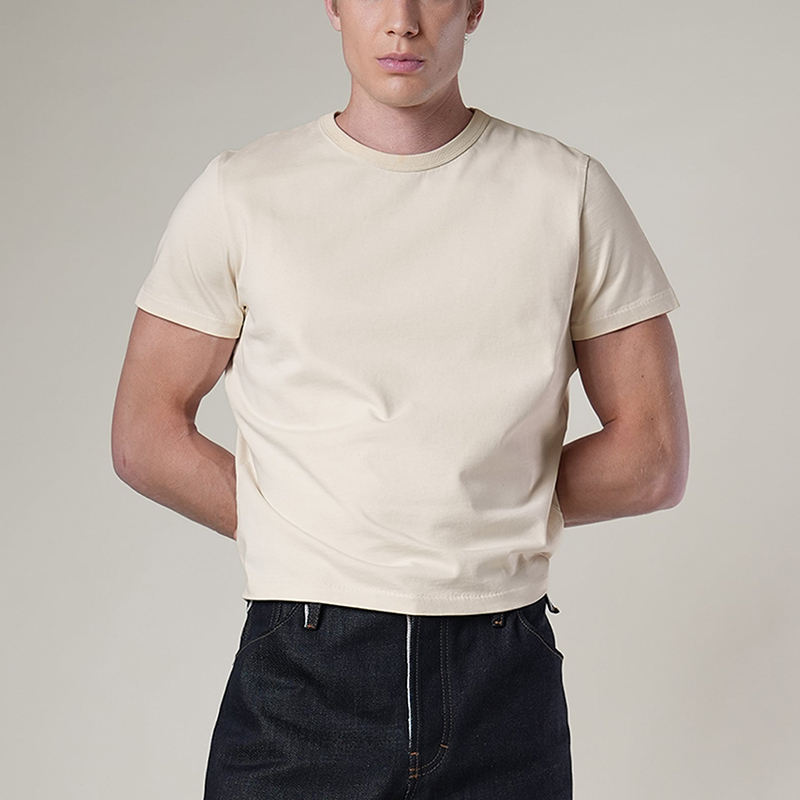
For retailers operating in a competitive fashion market, the ability to align stock levels with seasonal demand is one of the most critical operational challenges they face. mens apparel bulk wholesale has emerged as a practical and strategic solution that directly supports this challenge. By sourcing large quantities of men's clothing through wholesale channels, retailers gain the flexibility, cost efficiency, and supply reliability needed to plan inventory across spring, summer, fall, and winter cycles without the constant risk of stockouts or overstock situations.
The short answer is yes — mens apparel bulk wholesale can absolutely support seasonal inventory planning, and for many retailers it is the backbone of that planning process. However, the degree to which it supports your specific retail operation depends on how well you understand wholesale sourcing mechanics, how you time your orders, and how you structure your supplier relationships. This article breaks down the conditions, strategies, and practical realities that determine whether bulk wholesale becomes a genuine seasonal planning asset or simply a volume purchasing habit.
Understanding the Seasonal Inventory Challenge for Men's Apparel Retailers
Why Seasonal Demand Creates Inventory Pressure
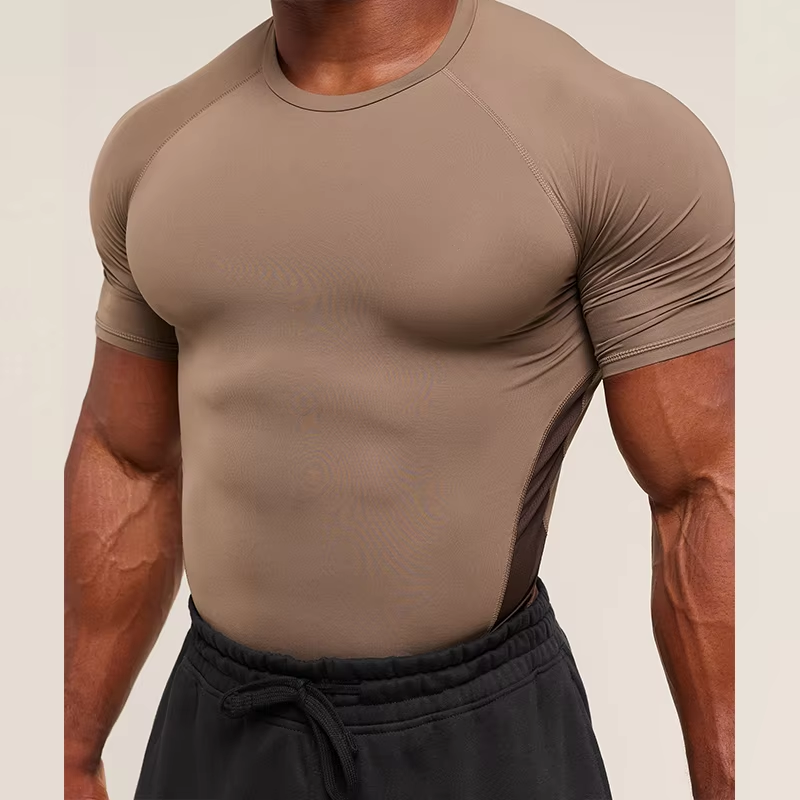
Men's apparel demand is not uniform throughout the year. Activewear, compression shirts, and training wear see significant spikes during the new year fitness season and summer months, while heavier outerwear and layering pieces dominate fall and winter sales windows. Retailers who fail to anticipate these shifts end up either turning away customers during peak demand or sitting on unsold inventory that ties up working capital after the season ends.
The pressure is compounded by the fact that consumer expectations around product availability have risen sharply. Shoppers expect to find the right styles and sizes in stock when they are ready to buy. A retailer who runs out of popular men's training wear in January, for example, loses not just that sale but potentially the customer's long-term loyalty. Seasonal inventory planning is therefore not just a logistics exercise — it is a direct driver of revenue and customer retention.
Mens apparel bulk wholesale addresses this pressure by allowing retailers to secure sufficient stock well in advance of peak periods. Rather than reacting to demand as it emerges, retailers who use bulk wholesale channels can position themselves ahead of the curve, entering each season with confidence in their stock levels.
The Gap Between Retail Demand Cycles and Supply Lead Times
One of the most underappreciated aspects of seasonal planning is the gap between when retailers need products on shelves and when those products can realistically be sourced and delivered. Standard wholesale lead times for mens apparel bulk wholesale orders can range from two to eight weeks depending on the supplier, order volume, and customization requirements such as private labeling or custom logo printing.
This means that a retailer planning for a summer activewear push in June needs to be placing or confirming bulk wholesale orders no later than April, and ideally earlier if custom branding is involved. Retailers who do not account for this lead time gap often find themselves scrambling for last-minute stock at higher per-unit costs, or accepting inferior product quality because their preferred wholesale options are already committed to other buyers.
Understanding and planning around lead times is one of the most concrete ways that mens apparel bulk wholesale supports seasonal inventory planning. It forces a discipline of forward planning that ultimately results in better stock availability, better margins, and smoother operations across the retail calendar.
How Bulk Wholesale Mechanics Align with Seasonal Planning Logic
Volume Commitments and Price Stability
A defining feature of mens apparel bulk wholesale is the relationship between order volume and unit cost. Wholesale suppliers typically offer tiered pricing structures where larger order quantities unlock lower per-unit prices. For seasonal planning purposes, this creates a powerful incentive for retailers to consolidate their purchasing into well-timed bulk orders rather than placing frequent smaller orders throughout the season.
When a retailer commits to a bulk wholesale order ahead of a peak season, they lock in a favorable unit cost that protects their margin even if wholesale prices rise later in the cycle. This price stability is particularly valuable for high-demand categories like men's compression shirts and quick-drying training wear, where demand spikes can cause spot-market prices to increase significantly during peak periods.
Retailers who integrate mens apparel bulk wholesale into their seasonal planning process therefore benefit from both supply security and cost predictability — two factors that are essential for accurate margin forecasting and promotional pricing decisions throughout the season.
SKU Rationalization and Seasonal Assortment Planning
Effective seasonal inventory planning is not just about having enough units — it is about having the right mix of styles, sizes, and colorways to match anticipated demand. Mens apparel bulk wholesale supports this through the ability to place structured assortment orders that cover a retailer's planned SKU range for a given season.
Rather than sourcing individual pieces from multiple suppliers, a retailer can work with a wholesale partner to build a cohesive seasonal assortment — for example, a summer activewear range that includes compression shirts in multiple colorways, quick-drying training tops in a range of sizes, and coordinating bottoms — all sourced through a single bulk wholesale relationship. This simplifies logistics, reduces supplier management complexity, and ensures visual consistency across the seasonal range.
The ability to plan assortments at the wholesale level also allows retailers to negotiate better terms, including priority production slots, consistent quality standards, and custom branding options that differentiate their seasonal offering from generic competitors. Mens apparel bulk wholesale, when used strategically, becomes a tool for building a distinctive seasonal product range rather than simply filling shelves with commodity stock.
Practical Conditions That Determine Whether Bulk Wholesale Supports Your Planning
Minimum Order Quantities and Cash Flow Timing
While mens apparel bulk wholesale offers clear advantages for seasonal planning, it also comes with structural requirements that retailers must be prepared to meet. The most significant of these is the minimum order quantity, commonly referred to as MOQ. Wholesale suppliers set MOQs to ensure that production runs are economically viable, and these minimums can range from as few as 50 units to several hundred units per style or colorway.
For smaller retailers, meeting MOQ requirements across a full seasonal assortment can represent a significant upfront cash commitment. This is why cash flow timing is a critical variable in seasonal planning. Retailers need to ensure that their working capital position allows them to fund bulk wholesale orders at the right point in the planning cycle — typically several weeks before the season begins — without creating liquidity pressure that affects other areas of the business.
Retailers who plan their cash flow alongside their inventory planning are far better positioned to take full advantage of mens apparel bulk wholesale. Those who treat wholesale purchasing as an ad hoc activity rather than a planned financial commitment often find themselves unable to place the orders they need at the right time, undermining the seasonal planning benefits that bulk wholesale is designed to provide.
Supplier Reliability and Consistency Across Seasons
The value of mens apparel bulk wholesale for seasonal planning is directly tied to the reliability of the wholesale supplier. A supplier who delivers on time, maintains consistent product quality, and communicates proactively about production status is a genuine planning asset. A supplier who misses delivery windows, substitutes materials without notice, or provides inconsistent sizing can turn a well-planned seasonal inventory strategy into an operational crisis.
Retailers should evaluate wholesale suppliers not just on price and product range but on their track record of seasonal delivery performance. Key indicators include on-time delivery rates, quality consistency across multiple orders, responsiveness to order changes or urgent requests, and the ability to scale production volume during peak demand periods without compromising lead times.
Building long-term relationships with reliable wholesale partners is one of the most effective ways to ensure that mens apparel bulk wholesale consistently supports seasonal planning rather than disrupting it. Suppliers who understand a retailer's seasonal calendar and planning rhythm can proactively allocate production capacity, flag potential supply constraints early, and collaborate on assortment development in ways that create genuine competitive advantage.
Strategic Approaches to Integrating Bulk Wholesale into Seasonal Planning
Forward Ordering and Pre-Season Commitment Strategies
The most effective retailers treat mens apparel bulk wholesale as a forward-planning tool rather than a reactive purchasing mechanism. This means placing pre-season orders based on demand forecasts, historical sales data, and market trend analysis rather than waiting until stock runs low before engaging with wholesale suppliers.
A forward ordering approach typically involves committing to a core bulk wholesale order for the upcoming season several months in advance, with the option to place smaller top-up orders closer to the season if demand tracking indicates that initial stock levels will be insufficient. This two-stage approach balances the cost benefits of bulk ordering with the flexibility to respond to actual demand signals as the season unfolds.
For men's activewear categories in particular, forward ordering through mens apparel bulk wholesale channels allows retailers to secure custom branding options — such as private label tags or custom logo printing on compression shirts and training wear — that require longer lead times but significantly enhance the perceived value and margin potential of the seasonal range.
Inventory Segmentation and Replenishment Planning
Not all SKUs within a seasonal men's apparel range carry the same demand risk. Core basics — such as plain compression shirts in standard colorways and popular sizes — tend to have more predictable demand and are well-suited to large bulk wholesale commitments. Fashion-forward or trend-driven pieces carry higher demand uncertainty and may warrant smaller initial bulk orders with planned replenishment windows if sell-through rates are strong.
Segmenting inventory by demand predictability allows retailers to use mens apparel bulk wholesale most efficiently. High-confidence SKUs can be ordered in larger quantities to maximize cost savings, while lower-confidence SKUs are ordered in more conservative volumes with replenishment options built into the supplier agreement. This segmented approach reduces the risk of overstock on trend-sensitive items while still capturing the cost and supply benefits of bulk wholesale on proven sellers.
Effective replenishment planning also requires clear communication with wholesale suppliers about expected reorder windows and minimum replenishment quantities. Retailers who establish these parameters upfront — ideally as part of a seasonal supply agreement — are far better positioned to respond quickly to mid-season demand surges without paying premium prices for urgent stock.
FAQ
How far in advance should retailers place mens apparel bulk wholesale orders for seasonal planning?
The ideal lead time depends on the complexity of the order, but as a general rule retailers should place bulk wholesale orders at least six to eight weeks before the start of a season. If the order includes custom branding, private labeling, or significant volume, extending this to ten to twelve weeks is advisable. Building this lead time into the seasonal planning calendar ensures that stock arrives ready for the season rather than mid-season or after peak demand has passed.
Can small retailers benefit from mens apparel bulk wholesale, or is it only viable for large operations?
Small retailers can absolutely benefit from mens apparel bulk wholesale, though they may need to be more selective about which SKUs they commit to in bulk. Focusing bulk orders on proven core products — such as compression shirts and training wear in standard sizes and colorways — allows smaller retailers to meet MOQ requirements without overextending their cash flow. As sales volume grows, the range of SKUs suitable for bulk ordering naturally expands.
What should retailers look for in a wholesale supplier to support seasonal inventory planning?
Retailers should prioritize suppliers with a demonstrated track record of on-time delivery, consistent product quality, and transparent communication about production timelines. The ability to accommodate custom branding, flexible MOQs, and seasonal replenishment orders is also valuable. A supplier who understands retail seasonal cycles and can proactively support planning — rather than simply processing orders — is a genuine strategic asset for any retailer relying on mens apparel bulk wholesale.
How does mens apparel bulk wholesale help reduce end-of-season overstock risk?
Bulk wholesale supports overstock reduction primarily through better upfront planning discipline. When retailers commit to bulk orders based on realistic demand forecasts and segment their SKU mix by demand confidence, they are less likely to over-order on risky items. Additionally, locking in favorable unit costs through bulk purchasing means that even if some end-of-season clearance is necessary, the margin impact is less severe than it would be with higher-cost spot purchases.
Table of Contents
- Understanding the Seasonal Inventory Challenge for Men's Apparel Retailers
- How Bulk Wholesale Mechanics Align with Seasonal Planning Logic
- Practical Conditions That Determine Whether Bulk Wholesale Supports Your Planning
- Strategic Approaches to Integrating Bulk Wholesale into Seasonal Planning
-
FAQ
- How far in advance should retailers place mens apparel bulk wholesale orders for seasonal planning?
- Can small retailers benefit from mens apparel bulk wholesale, or is it only viable for large operations?
- What should retailers look for in a wholesale supplier to support seasonal inventory planning?
- How does mens apparel bulk wholesale help reduce end-of-season overstock risk?