Efficient Production Processes And Supply Chain Management That Accelerate Time-To-Market
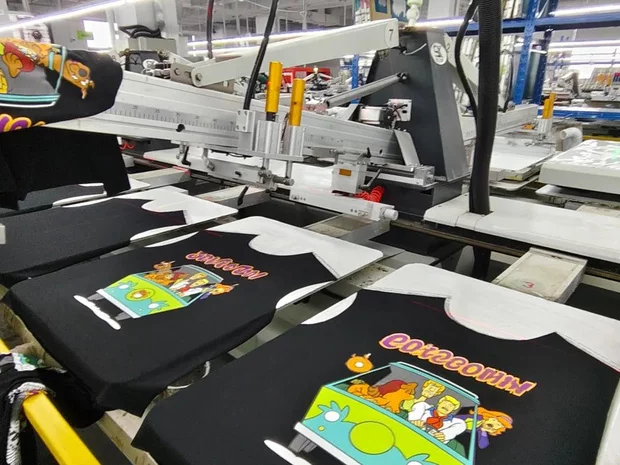
In today's fast-paced fashion and apparel markets, speed represents a competitive advantage, and a sophisticated manufacturer for hoodies delivers through optimized production processes and strategic supply chain management. Efficient operations begin with streamlined order processing systems that quickly convert customer specifications into production schedules, material requisitions, and workflow assignments, eliminating delays caused by miscommunication or administrative bottlenecks. Leading manufacturers maintain established relationships with fabric suppliers, trim vendors, and decoration specialists, ensuring rapid material sourcing and reduced lead times compared to manufacturers who must search for suppliers with each new order. These supply chain partnerships also provide priority access during high-demand periods when materials become scarce, protecting your production timeline from disruptions that could delay product launches or leave you without inventory during peak selling seasons. Modern manufacturers for hoodies employ production planning software that optimizes workflow by grouping similar orders, scheduling equipment usage efficiently, and balancing workload across production teams to maintain steady output without overwhelming capacity. This sophisticated scheduling reduces idle time, minimizes changeover delays between different styles or colors, and ensures that your order progresses continuously through each production stage. Automated cutting equipment represents another efficiency advantage, as computerized systems rapidly cut multiple fabric layers simultaneously with precision impossible through manual methods, dramatically reducing cutting time while improving accuracy and consistency. Similarly, specialized sewing equipment designed specifically for knit fabric construction enables faster stitching speeds without compromising seam quality, and automated processes for tasks like buttonhole creation, label attachment, and hem finishing further accelerate production. Batch processing strategies allow manufacturers to achieve efficiency while maintaining flexibility, producing multiple orders concurrently when they share common elements like fabric type or decoration method, then efficiently transitioning between unique customization requirements. Decoration capabilities integrated within the manufacturing facility rather than outsourced to separate vendors eliminate shipping delays and coordination challenges, keeping production on a single timeline under unified quality control. Inventory management systems track material availability in real-time, triggering automatic reordering when stock levels decline and preventing production stalls caused by material shortages. For clients requiring rapid turnaround, established manufacturers for hoodies often maintain stock programs featuring popular base garments in standard colors that can be quickly decorated with custom graphics, drastically reducing production time for urgent orders or test market launches. Packaging and fulfillment integration represents the final efficiency element, with many manufacturers offering direct-to-consumer shipping, retail distribution, and warehouse storage that eliminate the need for clients to receive, inspect, repackage, and redistribute products. This end-to-end service model simplifies logistics, reduces handling costs, and accelerates the journey from production completion to customer delivery. Geographic considerations also impact efficiency, as manufacturers located near major shipping hubs or transportation infrastructure provide faster and more economical distribution options. The cumulative effect of these efficiency measures means that businesses partnering with a professional manufacturer for hoodies can respond quickly to market opportunities, test new designs without excessive commitment, replenish popular items before stock-outs occur, and maintain the operational agility essential for success in dynamic, trend-driven markets where timing often determines whether products succeed or become obsolete before reaching customers.
 ×
×




 EN
EN